Blog
Trends in finance from 2023: stronger money connections
What financial brands can learn from finfluencers and personal finance communities.

April Chow
22 June 2023
5 min read
Our 2023 ‘What Matters’ trend research identified stronger connections as a key consumer trend, shaping how people talk about, learn about and engage with money and financial services.
I just received my 100th like on a photo of my cat that I posted on my Instagram over the weekend. Another like on a photo of my lunch yesterday with a comment from my sister “That looks delicious! Did you cook that?”
Emojis, text messages and the occasional voice messages are how we communicate and stay connected with each other these days. But despite being more connected than ever, I can’t help but feel that perhaps technology is making us more lonely and detached.
I am increasingly aware of how interactions impact my emotional, physical and mental state. As a result, I’m becoming more intentional about the connections I make, looking for genuine relationships that enrich rather than drain me.
This is exactly what ‘Stronger Connections’ captures, one of the four drivers which underpin our research on what matters to people in 2023.
But what did stronger connections mean for finance? And how could financial brands help people build better relationships with money?
Here are three consumer finance trends we saw emerging in 2023.
Making sense of money
Personal finance content has been around for years. But in 2023, platforms such as TikTok and Telegram helped fuel a new breed of finance creators: ‘finfluencers’ (e.g., Budgetbabe and Heartland Boy from Singapore, where I am based).
The financial TikTok space, or ‘FinTok’, was growing rapidly, with hashtags such as #FinTok attracting billions of views. Their appeal was clear: finfluencers made finance easier to understand by stripping away jargon and explaining complex topics in a language people could relate to.
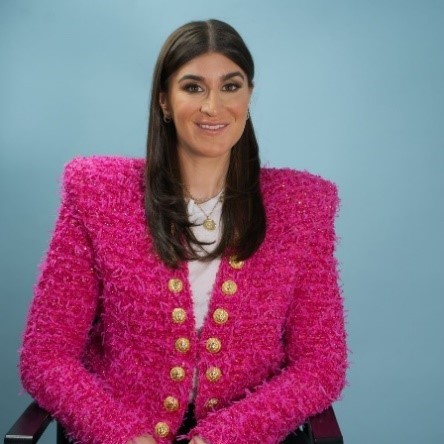
But information was only part of the appeal. Personal stories and open conversations about money helped create a stronger connection with audiences. A good example was Mrs Dow Jones, also known as Haley Sacks. Through her Finance Is Cool platform, she combined financial education with entertainment and stories from her own experiences.
Banks and financial institutions were taking note of this growing need to talk about money. A 2023 UK and European survey of 8,000 people commissioned by Revolut found that 67.5% of people found it difficult to discuss money. Revolut’s chat feature aimed to make those conversations easier by bringing different financial needs into one place.
The opportunity for financial brands: make financial information easier to understand and more relatable by putting real people and real experiences at the centre.
Your finance support network
The desire to talk more openly about money went beyond finance content. It was also helping to break money taboos, from salary transparency to financial therapy. Personal finance communities offered people a way to find support and connect with others facing similar challenges or working towards similar goals.
Seedly, Singapore’s largest personal finance community, is one example. Its members discuss and debate topics ranging from savings hacks and credit cards to cryptocurrency and REITs.
And the connection wasn’t only digital. In 2023, Seedly’s Personal Finance Festival returned with an offline edition. The sold-out event brought people together to learn, share their personal finance and investment journeys and connect with others. The arcade theme made learning about finance more social and engaging, turning financial education into a shared experience.

Another example was OCBC’s 20,000 sq ft branch at Wisma Atria in Singapore. The space included an omakase restaurant, bookshop, café and art gallery, creating more informal opportunities for people to engage with financial services.

The opportunity for financial brands: create spaces and experiences where people can talk about money openly, learn from each other and feel supported.
Manifesting together
Personal finance isn’t always simple. And when money becomes a source of stress, people can look for ways to regain a sense of hope and control. In 2023, the popularity of ‘Lucky Girl Syndrome’ on TikTok offered an interesting example. The trend centred on manifestation – repeating positive statements in the hope of attracting good things into your life. At its peak, content around the trend attracted hundreds of millions of views.
Financial brands were starting to play with these ideas too. Chime, a US fintech, launched a limited-edition premium candle with a manifestation guide, helping people create rituals around manifesting money and visualising abundance.

In Korea, Hana Bank launched its Money Dream campaign: a pillow stuffed with recycled damaged bank notes, designed to give customers ‘wealth energy’ as they slept.

These examples may seem playful, but they point to something deeper. People’s relationship with money isn’t purely rational. Financial wellbeing is also shaped by emotions, hopes and aspirations.
The opportunity for financial brands: recognise the emotional side of money and create experiences that help people feel more positive, hopeful and connected to their financial lives.
What did stronger connections mean for financial brands?
Across these examples, a common theme emerged: people wanted financial services to feel more human, accessible and connected to their lives.
In 2023, this created opportunities for brands to:
- Make financial information easier to understand
- Create spaces for open conversations about money
- Build communities around shared financial goals
- Recognise the emotional side of financial wellbeing
- Use digital and physical experiences to create stronger connections
People crave genuine connections, and that extends to their finances. Financial brands have an opportunity to get closer to their customers, understand what matters to them and create financial services that fit more naturally into their lives.
Our insight communities can help brands build that connection with the people who matter most. Take AXA Philippines, which wanted to build stronger relevance with the young and dynamic Filipino population. Since 2017, AXA has connected with its audience through MyAXA Café, the first online insight community in the Philippine insurance industry. Over the years, MyAXA Café has become a go-to channel for quick and agile customer feedback.
A look back at consumer finance trends in 2023
The examples in this article reflect our view of the consumer finance landscape in 2023, when stronger connections were shaping how people approached money, financial education and financial services.
For more context, explore the full 2023 What Matters report.
1. What were the key consumer finance trends in 2023?
Three themes stood out in our research: making financial information easier to understand, building stronger support networks around money and recognising the emotional side of financial wellbeing.
2. How were consumer expectations changing in financial services in 2023?
People were looking for financial services to feel more accessible, relatable and connected to their everyday lives. This created opportunities for brands to make financial information easier to understand and create more human experiences.
3. How were people using digital platforms to engage with finance?
Social platforms such as TikTok and Telegram helped make financial education more accessible and engaging. Finance creators and communities used these platforms to explain complex topics, share personal experiences and encourage conversations about money.
4. Why are connections important in financial services?
Money can be difficult to talk about, and financial decisions can be emotional as well as rational. Creating opportunities for people to learn, share and connect can help make financial services feel more relevant and supportive.