Exploring Health unscripted: a key consumer trend reshaping what it means to be healthy
Inside Health unscripted: As rigid routines and universal metrics lose relevance people are redefining health in their own way.
Georgina Cundell-Jones
28 January 2026
5 min read
This blog explores how rigid, one-size fits all definitions of health are losing credibility as people seek more personal flexible approaches to wellbeing. It also examines how people are balancing intuition, structure and technology as they redefine health on their own terms.
In our 2026 What matters trend report we uncovered that 78% of people globally agree today there’s no single right way to be healthy.
Is it okay to skip the routine? To mix intuition with tracking? To want structure one week and freedom the next? As traditional definitions of health become harder to live up to, people are pushing back against the idea that wellbeing should look the same for everyone. Instead, health is becoming plural and adaptive, shaped by culture, neurodiversity, body diversity and real-life. This shift reflects a deeper human need: to step away from the rules of wellness and live in a way that feels right without guilt, judgement or fear of getting it wrong.
Why are people asking “is this okay” when it comes to health and wellbeing?
People increasingly ask “Is this okay?” not because they’re constrained by rigid health rules, but because they now have the authority to make choices that feel right for them – what counts as nourishing, energising or restorative depends on a persons own body, mind, culture and phase of life. Asking “Is this okay?” is a way to pause, check in with oneself and give permission – whether that’s leaning into structure for comfort, experimenting with movement in playful ways or using technology like wearables to guide, rather than dictate habits.
Even as people embrace flexibility and personal agency, this question reflects a healthy negotiation between intuition and reassurance: a moment to affirm that their choices truly work them.
Why the old definition of “health” no longer works
Traditional ideas of health were built around consistency, control and universal benchmarks. But those models struggle to account for the realities of modern life: shifting energy levels, mental load, cultural context and constantly revolving priorities. What once felt motivating can now feel restrictive, leaving many people disengaged rather than supported. As a result, rigid definitions of what it means to be healthy are losing relevance, with 55% of people saying when it comes to health they’d rather adapt approaches to fit their lifestyle than stick to proven, expert methods.
Rather than following a single path, people move fluidly between structure and freedom. They may seek routine when they need stability, then lean into flexibility when life feels overwhelming or uninspiring. This movement isn’t about a lack of discipline; it’s a real-world response to context. Health today is less about staying on track and more about adjusting course as needs change.
This tension becomes especially visible in the tools people use to manage their wellbeing. As people take more ownership of what health means to them, they’re negotiating how much guidance they want and from where.
Can intuitive wellbeing and health tracking coexist?
Intuitive wellbeing and health tracking might seem like opposites, but more and more people are finding ways for them to coexist. On one hand, intuitive practices like listening to hunger cues, moving in ways that feel joyful or resting when needed celebrate personal awareness and flexibility. On the other, trackers, apps and wearables provide data, structure and reassurance.
Rather than replacing intuition, technology can act as a guide offering gentle feedback that helps people understand patterns in their own bodies and moods. The key is balance: using tracking to inform, not dictate and trusting instincts to interpret the numbers. In this way, self-knowledge and self-expression work together allowing wellbeing to be both measurable and deeply personal.
However, when brands get it wrong, it can be very frustrating. Take Garmin, users of Garmin wearables, notably smart watches, often find that after a mentally or emotionally exhausting day (long work hours, caring for family, the other 101 daily stresses people deal with) they may have barely moved, yet the watch labels this as an “easy, low-stress day.” The reliance on limited metrics leads to a disconnect between the actual reality of a user’s day and what the device reports.
This experience shows how rigid interpretations of biometric data can backfire when devices try to assign meaning or value judgements “easy” vs. “stressful”, especially for people navigating a more fluid, intuitive approach to their wellbeing.
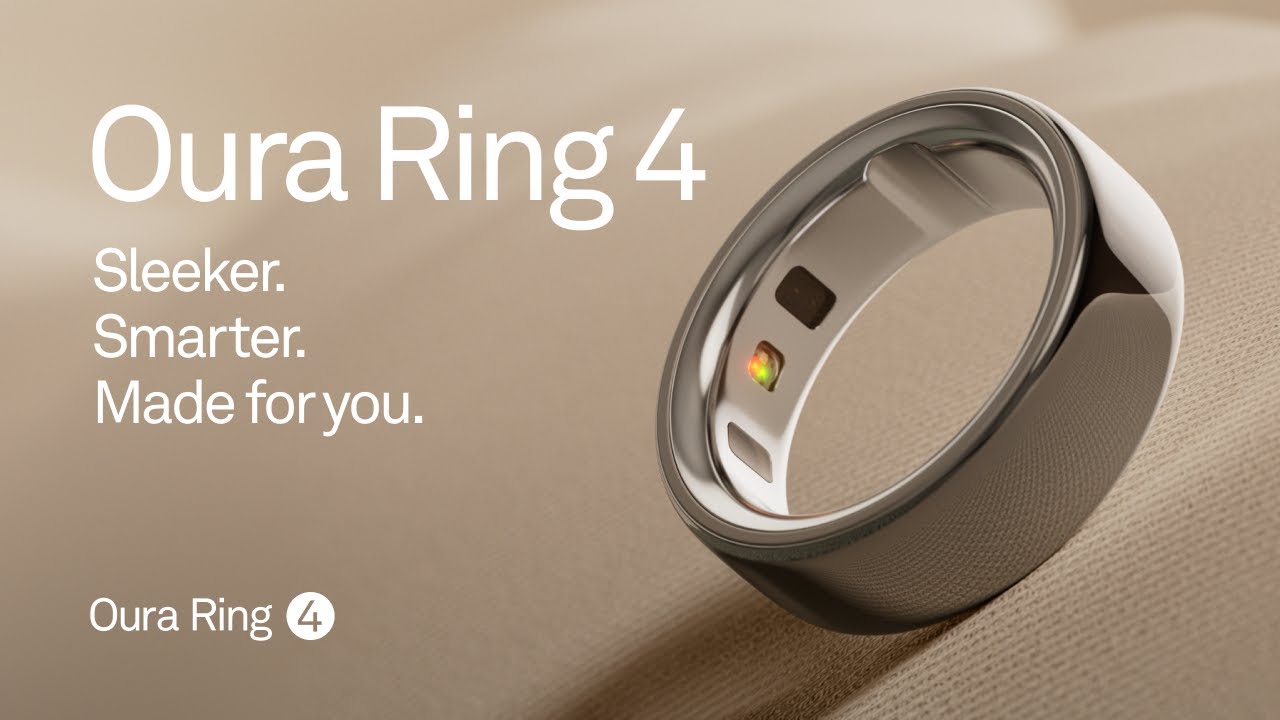
Oura Ring is often cited as an example of how tracking can support, rather than dictate, wellbeing. Positioned as a way to build a more holistic picture of health, it focuses on balance over extremes. By tracking sleep, recovery and readiness in the background, Oura encourages people to tune in to what matters for them, especially in a world defined by stress, acceleration and constant hustle. The data is there to inform reflection, not to prescribe behaviour, making wellbeing feel sustainable rather than performative.
What role can brands play in a more flexible, personal approach to health?
Brands are now being asked to support choice rather than prescribe behaviour, designing products, systems and messages that adapt to different needs, rhythms and life stages.
The goal is to empower people to define success for themselves, not in telling them what ‘good’ looks like.
* The numbers in this article are based on 15 markets: AU, BE, CN, DE, FR, HK, IN, NL, PH, SG, TW, UAE, UK, US, ZA
Frequently asked questions
1. What is Health unscripted?
Health unscripted is a key trend from Human8’s What matters 2026 report. It’s about embracing diverse personal approaches shaped by culture, lifestyle, neurodiversity and celebrating everyone’s uniqueness. Health unscripted celebrates flexibility, self-agency and guilt-free adaptation rather than rigid rules or universal metrics.
2. Why does Health unscripted matter for brands?
Because wellbeing is personal, not one-size-fits all, brands that adapt to different lifestyles, needs and rhythms can stay relevant, build trust and support people in defining health on their own terms.
3. What is the purpose of the What matters 2026 report?
What matters 2026 explores the emerging consumer trends shaping how people think, feel and behave today and what this means for brands looking ahead. It helps organisations understand evolving priorities, values and cultural tensions in a rapidly changing world.
4. How were the key consumer trends for 2026 identified?
The trends are based on global research by Human8 and its in-house cultural consultancy, Space Doctors. The approach combines long-term cultural tracking with insights from quantitative and qualitative research across multiple markets.
5. What are the other key consumer trends for 2026?
The other key 2026 consumer trends are: Human pride, Hyper blanding, The achievement zone, Shouting economy, Future tradition, Retail fandom and Lightspeed living. Together with Health unscripted they show how people are balancing creativity, authenticity, community and speed in their everyday choices and behaviours.


Where can I find the What matters 2026 report?
Click the link below to access the What matters 2026 report