CASE
Making Barbie relevant again for the new generation
By exploring the cultural forces shaping young girls’ ambitions and confidence, we helped Barbie uncover new stories that could challenge stereotypes and reinforce its role as a positive role model.
This case was originally published by our partner, Space Doctors. By bringing a unique blend of expertise in cultural and semiotic insight to Human8, they help brands connect and respond to cultural change.
The challenge
Mattel recognised that the world around Barbie was changing. As conversations around representation, gender roles and female ambition evolved, the brand needed a deeper understanding of the challenges young girls face and how Barbie could continue to play a meaningful role in their lives.
Having faced criticism around narrow representations of beauty and femininity in the past, Barbie wanted to redefine its purpose: becoming a brand that encourages girls everywhere to see their full potential and challenge limiting stereotypes.
The solution
Through cultural insight and semiotic research across six global markets, we explored the social and cultural barriers that can influence how young girls see themselves and their ambitions.
The research looked at the role of affirmative influencers: people, communities and cultural forces helping girls challenge traditional expectations and imagine new possibilities for themselves.
By understanding these emerging cultural shifts, we identified powerful narratives that Barbie could champion, helping the brand move from representing what girls look like to inspiring what they can become.
The impact
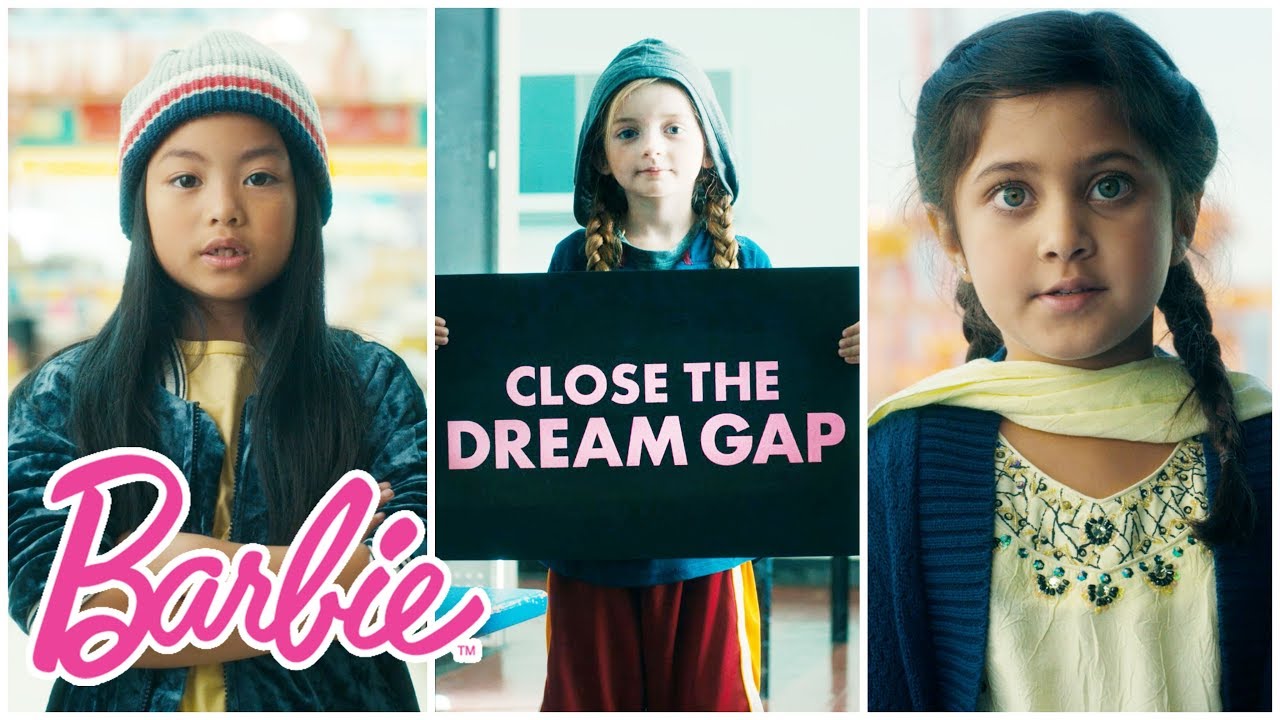
This foundational piece of research sparked the idea behind Mattel’s global Barbie Dream Gap Project, an initiative focused on raising awareness of the external barriers that can limit girls’ confidence and future aspirations.
By connecting Barbie’s purpose with a deeper understanding of cultural change, Mattel created a platform that continues to encourage girls to believe in their potential and challenge the stereotypes that hold them back.
Read more in this article from Creative Review.