The human spark: why understanding culture is a strategic advantage
In an age of algorithmic prediction, cultural fluency gives brands the edge.

Tom De Ruyck
08 May 2026
5 min read
Abstract: Culture shapes the world in which communities exist, from the values people live by to the conversations they engage in. In this blog, we explore why cultural fluency is a critical dimension of the human spark, why it goes beyond pattern recognition and how it enables brands not just to understand culture, but actively shape it.
From understanding people to understanding context
In our previous human spark blog, we explored how communities reveal what sits beneath behaviour: the motivations, tensions and dynamics that shape how people think and act. But people don’t exist in isolation.
Communities are shaped by something broader: the cultural context that defines what matters, what’s acceptable and what gains traction. Culture is the system in which meaning is created and shared.
This is where cultural fluency comes in.
As the second dimension of the human spark, it expands our lens, moving from understanding people to understanding the world around them. Because behaviour doesn’t happen in a vacuum; it’s shaped by the codes people live by, the narratives they absorb and the societal shifts they navigate every day.
Without that lens, insight lacks depth. With it, brands gain perspective and permission to act.
Why observation is no longer enough
For years, brands have treated culture as something to observe: tracking trends, monitoring conversations and responding when the timing feels right. But that approach no longer holds.
Culture doesn’t wait to be analysed. It moves fast, often in subtle, contradictory and evolving ways. By the time a trend becomes visible at scale, it has already been shaped and redefined by the people closest to it. At that point, reacting means catching up.
Today, the expectation is higher. Brands are no longer expected to simply reflect culture; they are expected to participate in it. And participation requires understanding. Not just what is happening, but why it matters and how to engage in a way that feels authentic rather than opportunistic.
From decoding to recoding: what cultural fluency really means
In an age of algorithmic prediction, it’s tempting to believe culture can be reduced to patterns: signals to track, measure and optimise. But culture doesn’t work like that.
While algorithms are effective at identifying what’s popular, they struggle to explain meaning. Cultural meaning lives in nuance, contradictions and lived experiences; things that can’t be fully captured through data alone. This is where cultural fluency becomes powerful and creates real value.
This is where cultural strategists and semioticians become essential. They help brands develop cultural fluency: the ability to move beyond observing culture to truly understanding it. Combining analytical rigor with human intuition, they uncover the symbols, stories, language and signals that shape how people see the world. They reveal the tensions between what’s emerging and what’s established, between aspiration and reality.
This process begins with decoding: interpreting the deeper meaning behind cultural shifts, behaviours and expressions. But the real power lies in recoding. Recoding means translating that understanding into action and shaping how a brand shows up in culture in ways that feel relevant, authentic and meaningful. It’s the difference between simply reacting to culture and helping shape it.
This thinking sits at the heart of our What Matters 2026 report, where we work alongside Space Doctors to identify the shifts and emerging themes shaping people and brands.
Cultural fluency in action: from insight to impact
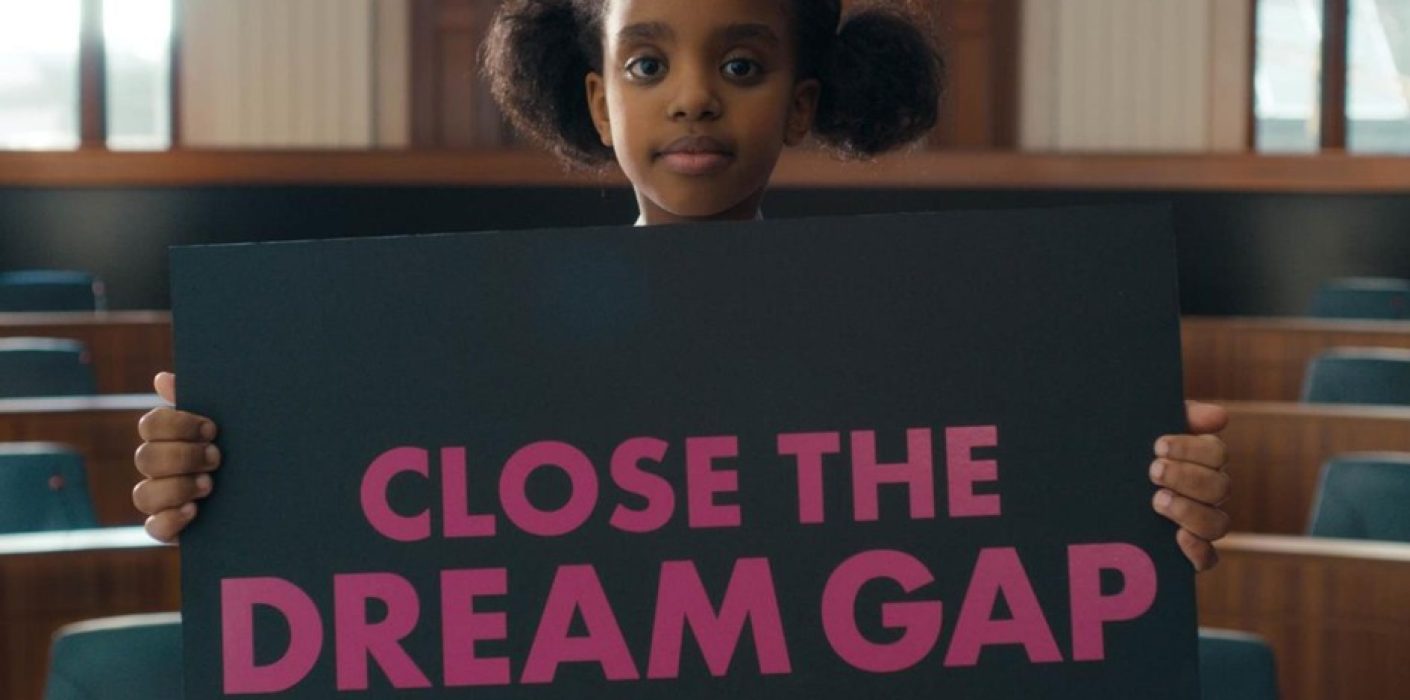
When applied effectively, cultural fluency doesn’t just inform communications, it can redefine the role a brand plays in people’s lives. Our work with Mattel and Barbie bring this to life.
By decoding the narratives shaping self-belief in young girls, we uncovered the deep and often invisible impact of bias on how they seem themselves and their potential. Through multi-market cultural and semiotic analysis, combined with expert perspectives, we identified the societal codes limiting aspiration.
This insight created an opportunity to recode Barbie’s role in culture. Not as a nostalgic icon, but as a brand actively helping to expand what girls believe is possible. The result was not just a shift in messaging, but a shift in meaning. From reflecting culture to reshaping it.
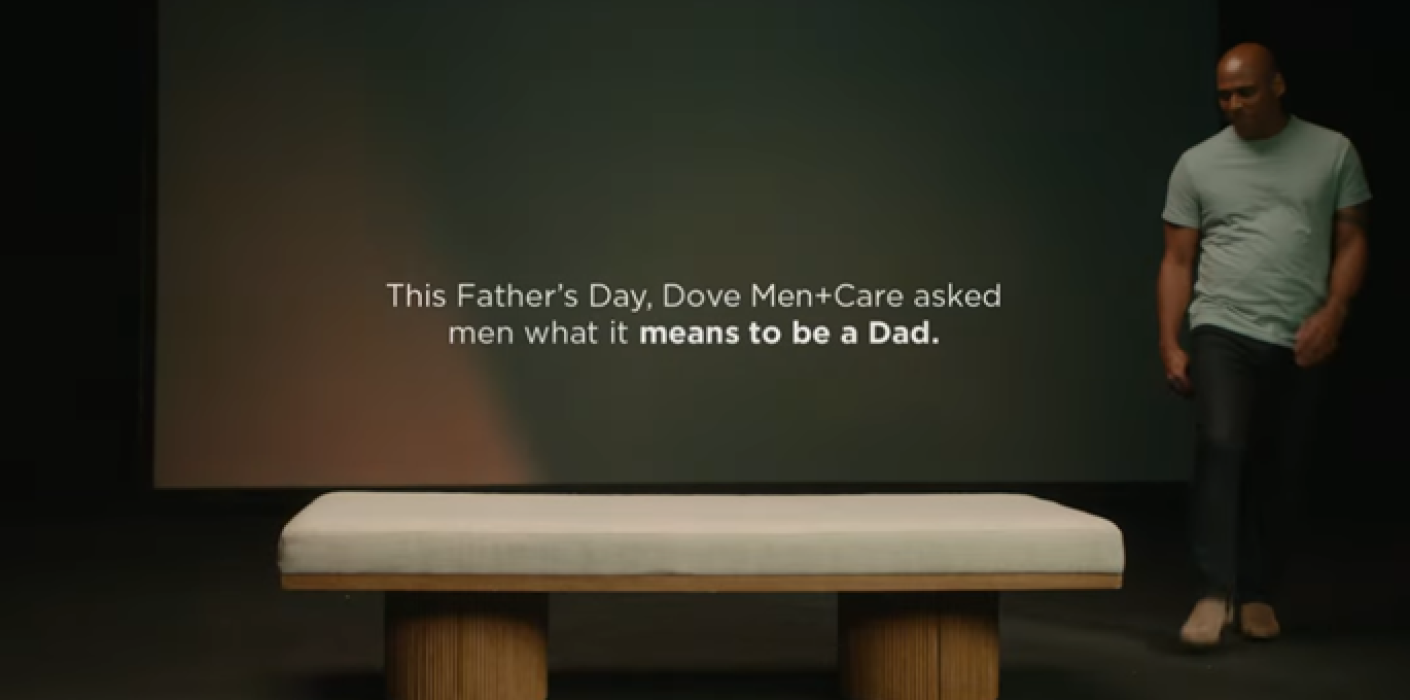
We see a similar dynamic in how Unilever’s brand Dove evolved its narrative around masculinity. For years, male grooming was framed through narrow cultural codes: strength as control, emotional restraint and dominance. But cultural tensions were beginning to emerge, particularly among younger generations, around identity, vulnerability, identity and self-expression.
More recently, this shift has extended into how fatherhood itself is defined. In its “Care Makes a Dad” campaign, Dove Men+Care recognised that care, not biology, is increasingly seen as what defines a father figure, reflecting broader changes in how masculinity is lived and understood.
By decoding these shifts, Dove identified an opportunity not just to challenge outdated stereotypes, but to actively recode what masculinity could look like. “Care Makes a Dad” expanded the definition of fatherhood to include stepdads, mentors and everyday role models. It placed care, openness and emotional presence at the centre of modern masculinity.
In doing so, Dove didn’t simple follow culture; it contributed to reshaping it. And this is where cultural fluency becomes a strategic advantage: by consistently aligning with evolving cultural realities, the brand has strengthened its relevance over time, built deeper emotional connection and established a more meaningful enduring role in people’s lives.
From reflecting culture to shaping it
These examples highlight a fundamental shift. Cultural fluency is not a tool or a trend. It’s a strategic capability.
It enables brands to:
- Move from reacting to anticipating
- Move from visibility to meaning
- Move from relevance to resonance
And ultimately, to play a more meaningful role in people’s lives. Because the brands that stand out today aren’t those that keep up with culture, but those that help shape where it goes next.
Turning understanding into action
If community reveals what’s hidden, cultural fluency reveals what’s shifting.
Together, they form two essential dimensions of the human spark, combining depth of human understanding with a broader cultural context.
But insight alone doesn’t create impact. To truly make a difference, brands need to act on that understanding in ways that show up meaningfully in people’s lives.
That’s where the next dimension of the human spark comes in: consumer closeness. The ability to translate human and cultural insight into real-world action.
In the next blog, we’ll explore consumer closeness and how bringing all three dimensions together creates the human spark: the point where understanding becomes impact and brands move from blending in to standing apart.
FAQs
1. What three dimensions make up the human spark?
The three dimensions that make up the human spark are community, culture and consumer closeness. Together, they fuel creativity and connection in ways that resonate with real people.
2. Why is cultural fluency important for brands today?
Culture shapes how people think, feel and behave. Understanding culture helps brand stay relevant and connect meaningfully in a constantly changing world.
3. Can AI understand culture?
AI can identify patterns and trends, but it can’t fully interpret the nuance, contradiction and lived experience that define culture.
4. How do brands become culturally fluent?
Brands become culturally fluent by combining data with human expertise. Cultural strategists, semioticians and consumer insight specialists help decode the symbols, stories and behaviours shaping culture, allowing brands to identify emerging tensions and act in meaningful ways.
5. What is the difference between decoding and recoding culture?
Decoding culture means interpreting the signals, narratives and values shaping people’s behaviours and beliefs. Recoding culture means applying those insights to shape how a brand participates in culture, creating messaging, experiences or actions that feel authentic and meaningful.
6. How can brands engage with culture authentically?
Authentic cultural engagement comes from understanding why cultural shifts matter, not just reacting to trends for visibility. Brands need to align with real human values, tensions and experiences in ways that feel credible, consistent and meaningful.
Get in touch
Let’s connect!