Future tradition: A key 2026 trend shaping the evolution of culture and heritage
From digital rituals to modernised cultural practices, people are reinterpreting traditions to keep heritage meaningful in a fast-changing world.
Georgina Cundell-Jones
17 March 2026
5 min read
This blog explores Future tradition, one of our key 2026 consumer trends redefining how people connect with culture and heritage. As traditions evolve to reflect modern lifestyles, technology and global influences, we examine what is driving this shift and what it means for brands looking to keep culture relevant in a rapidly changing world.
What is Future tradition?
There is an evolving relationship between heritage and modern life. Rather than preserving traditions exactly as they were, people are reshaping them to reflect contemporary values, lifestyles and technologies. This evolution sits at the core of Future tradition, one of the key trends identified in our What Matters 2026 trend report.
For many, traditions today are seen less as rigid rules and more as flexible cultural frameworks that can adapt while staying true to their core. This means people can remain connected to their heritage while expressing it in ways that feel authentic to their current lives.
Consumers are blending heritage with modern interpretation, creating rituals that bridge generations. Whether it’s adapting traditional celebrations, modernising food recipes or incorporating technology into cultural events, the goal is not to abandon the past but to ensure it stays relevant in meaningful ways.
Our 2026 trend research highlights how widely this belief is shared as 66% of people globally agree that traditions stay alive when they evolve with time not when we keep them the same. This mindset reflects a broader cultural shift toward viewing heritage as something that grows and adapts alongside society.
Why are people reimagining tradition today?
Several global forces are driving the rise of future tradition.
Rapid social and technological change
As societies evolve quickly, people seek ways to maintain continuity and identity. Reinterpreting traditions allows individuals to stay grounded while navigating change. Rather than letting heritage fade, people adapt it to suit modern realities ensuring it remains meaningful in everyday life.
Globalisation and cultural blending
Digital connectivity and global travel are exposing people to new cultural influences. These interactions are creating new intersections between the local and the global, where traditions can merge with outside inspirations. For example, home cooks might combine local ingredients with international recipes, such as preparing Korean-style tacos using regional produce or spices.
Personal meaning and authenticity
Authenticity today is less about preserving tradition untouched and more about making it personally meaningful. People want cultural practices that connect to the world they live in today – reflecting their communities, environments and social values. By reshaping traditions in ways that feel relevant, individuals keep culture alive while expressing their unique identities.
How are traditions being reimagined?
Future traditions can take many forms, from subtle adaptions to creative reinventions. In some cases, communities are revising folk traditions, crafts or rituals, giving them new life through modern interpretation. This might involve new design aesthetics, contemporary storytelling or digital platforms that help cultural practices reach younger audiences. For example, Colombian brand Mola Sasa transforms the traditional textile craft of the Kuna community into contemporary accessories, blending ancestral storytelling with modern design.
Cultural exchange is also inspiring new forms of creativity. Global phenomena such as animation, music or fashion are often reinterpreted through local cultural perspectives, creating unique hybrid expressions that feel both international and rooted in place.
Here are some creative ways brands are tapping in Future tradition:
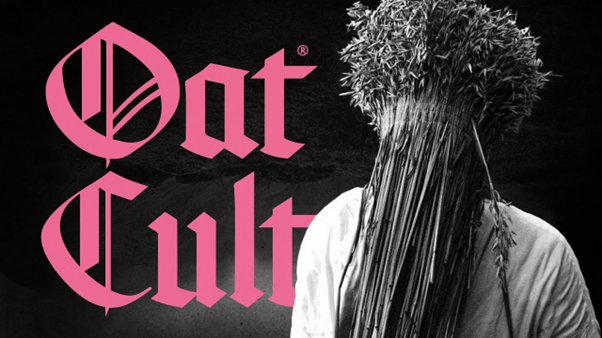
A fun example is from brand Oat Cult. The UK brand taps into British folk traditions while reimagining them for modern wellness. Its overnight oats packed with ‘gut-worshipping bacteria’, celebrate natural, nourishing ways of eating, blending heritage aesthetics with contemporary healthy culture. The result is a product that feels both familiar and fresh, showing how brands can support people in modernising everyday rituals while keeping cultural meaning intact.
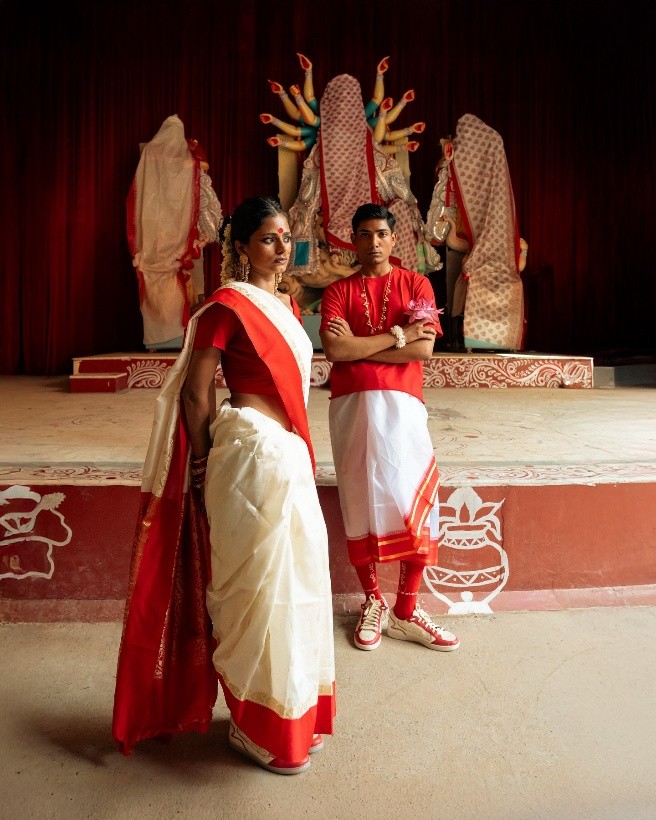
Another example is Gully Labs in India, which blends streetwear with storytelling to bring heritage to contemporary fashion. Their sneakers are inspired by the streets of Delhi and local crafts, while the brand also produces documentaries celebration Indian culture. By combining authentic cultural references with modern design, Gully Labs creates products that honour heritage while expressing a distinct, unapologetically local identity.
What does Future tradition mean in everyday life?
As its core, Future tradition reflects that idea that heritage adapts alongside society, from how people celebrate holidays, to how they cook traditional dishes to decorate their homes, many everyday rituals are being subtly updated while maintaining their symbolic meaning. A quote from one of our participants in our What Matters study illustrates how traditions evolve naturally in response to practical realities and modern lifestyles. The meaning and symbolism remain intact, even if the way people practice them changes:
“Culture and tradition are like a river, they change with time and set their own pace. In my home, Diwali [the festival of lights] used to be about oil and ghee lamps, but now we use electric lights. This change is good; it stays true to our roots while avoiding the extra cost of oil or ghee.” – India, Male, 39
For many people, these small adaptions help traditions remain accessible, sustainable and relevant for younger generations, ensuring they continue to play a key role in everyday life. For brands, this creates an opportunity to support how traditions are practiced today. Whether through products, services or experiences, brands can help people modernise rituals while respecting their cultural meaning, making it easier for traditions to fit contemporary life without losing their roots.
How does Future tradition vary across the globe?
Asia and the Middle East: Bold evolution
Belief that traditions stay alive by evolving is particularly strong across much of Asia and the Middle East, led by India (77%), Taiwan (74%), China (74%), Hong Kong (74%), Singapore (73%), the Philippines (70%) and the United Arab Emirates (69%).
In these markets, traditions are often seen as fluid and dynamic rather than fixed. Evolution is embraced as a way to integrate heritage with modern lifestyles and technology. In places such as China, Hong Kong and Taiwan, this does not necessarily mean blending with Western influences; instead, traditions are reimagined to fit contemporary local life.
Examples of this are seen globally: digital red envelopes sent via WeChat during Lunar New Year, livestreamed weddings connecting global families, LED lighting used during Diwali celebrations and immersive tea houses that reinterpret traditional tea rituals through modern design and technology.
Europe and the United States: Pragmatic evolution
In Europe and the US, attitudes toward evolving traditions are more mixed. France (64%) and Germany (61%) show relatively strong openness to change, while Belgium (58%) and the Netherlands (51%) are more moderate. The UK (59%) and the US (59%) reflect pragmatic acceptance.
Here, tradition is often approached as something to optimise rather than reinvent. Adaptations typically modernise familiar customs through updated formats, sustainable practices or contemporary aesthetics while keeping core cultural markers recognisable. For example, many families now send digital Christmas cards instead of paper ones or use reusable advent calendars and sustainable decorations, modernising the tradition while keeping its familiar rituals.
What does Future tradition mean for brands?
For brands, Future tradition highlights the importance of honouring heritage while allowing it to evolve. Consumers increasingly value products, experiences and stories that respect cultural roots but feel relevant to modern life. This means moving beyond static nostalgic and instead celebrating living cultures, contemporary voices and the creative reinterpretations shaping today’s traditions and peoples lives.
By thoughtfully blending heritage cues with modern design, technology and storytelling, brands can create offerings that feel both familiar and forward-looking. When done with cultural sensitivity and authenticity, this balance allows brands to support the evolution of tradition while helping it remain meaningful for new generations.
The future of tradition lies not in preserving the past exactly as it was, but in reimagining it in ways that keep it meaningful for the generations ahead.
* The numbers in this article are based on 15 markets: AU, BE, CN, DE, FR, HK, IN, NL, PH, SG, TW, UAE, UK, US, ZA
FAQs
1. What is Future tradition?
Future tradition is a key trend from Human8’s What Matters 2026 report. Future tradition reflects how people are reimagining heritage and blending traditional culture with modern creativity to keep it alive, meaningful and relevant.
2. Why does Future tradition matter for brands?
Future tradition matters for brands because consumers want products and experiences that respect cultural heritage while reflecting modern lifestyles and values. Brands that thoughtfully blend tradition with innovation can stay culturally relevant while building deeper emotional connections with consumers.
3. How does it manifest in everyday life?
It appears in the small ways people adapt cultural rituals to fit modern life, from updating how celebrations are practices to reinterpreting traditional food, design or crafts. These everyday adaptions allow traditions to remain meaningful while reflecting contemporary lifestyles, technologies and values.
4. How were the key consumer trends for 2026 identified?
The trends are based on Human8’s global research and insights from its in-house cultural consultancy, Space Doctors. The approach combines long-term cultural tracking with quantitative and qualitative research across multiple markets.
5. What are the other key consumer trends for 2026?
The other 2026 trends include Human pride, Hyper blanding, Lightspeed living, The achievement zone, Health unscripted, Human pride, and Retail fandom. Together, they reveal how people balance creativity, authenticity, community and speed in everyday life.


Report
Where can I find the What matters 2026 report?
Click the link below to access the What matters 2026 report
Request your free access