From loyalty to love: how the trend Retail fandom redefines shopping
Discover how brands are turning customers into passionate fans through experiences, communities and shared purpose.
Sarah Van Oerle
12 March 2026
7 min read
Retail fandom is transforming the way people shop. Beyond transactions, consumers now seek connection, participation and shared passion. This trend shows how brands can turn customers into fans through community, experiences and storytelling. By balancing emotional engagement with product quality, brands are creating lasting loyalty.
People have always gathered around what they love, whether its music, sport, films, fashion, games… shared passion creates connection.
We are now seeing that very instinct is reshaping commerce. Through our global trend research, we uncovered that around the world, 52% of people say shopping is less about owning products and more about joining communities and experiences around them. This tell us that consumers don’t just want to buy from brands, they want to be part of them: to connect, contribute and share in something bigger than a transaction.
This shift sits at the heart of Retail fandom, one of the key trends in our What Matters 2026 report. As entertainment, social media and shopping merge, loyalty is no longer built through persuasion alone, it grows through participation, culture and shared identity.
How fandom is different from traditional brand loyalty
Traditional loyalty is built on satisfaction, the product works, the price feels fair, the experience is smooth – so people come back.
Fandom goes further. Where loyalty is transactional, fandom is emotional. Where loyalty is repeat purchase, fandom is identity and advocacy. Fans don’t just buy; they follow, share, debate and participate, in essence the brand becomes part of how they express who they are and what they stand for.
This shift reflects a broader cultural change where shopping is no longer just about ownership, it’s about participation. As entertainment, social media and commerce converge, product releases feel like events, collaborations spark conversation and communities form around beauty routines, sneaker culture or gaming franchises.
We of course have to mention technology which has accelerated this transformation. Livestream formats, gamified challenges, limited editions and immersive digital experiences have turned shopping into something people actively want to participate in rather than passively complete. The brand and its products become a gateway to something much larger: belonging.
Importantly, fandom doesn’t replace fundamentals. In our research, 81% say product quality remains essential and 69% expect seamless transactions. Emotional connection may attract attention, but tangible value sustains it. The strongest brands understand this balance. They don’t choose between performance and passion. They build both, turning satisfied customers into active participants and purchases into shared cultural moments.
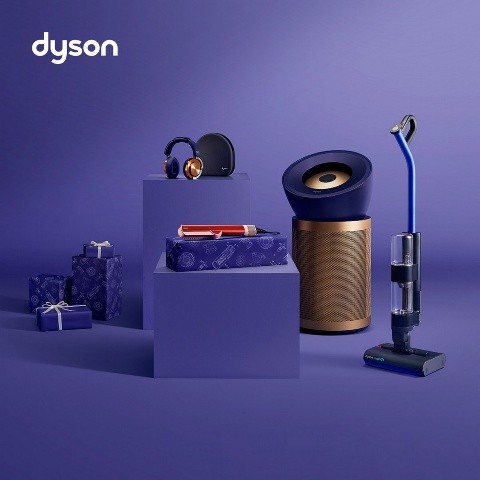
Take Dyson, for example. The brand inspires genuine enthusiasm for what is essentially household technology – from vacuum cleaners to hair tools. Evidence of that fandom is visible in the active communities that have formed around Dyson products on platforms like TikTok, Instagram and Reddit, where users regulary share unboxings, reviews, comparisons and tips. Cult products such as the Dyson Airwrap and Dyson Supersonic are frequently the focus of tutorials and ‘before-and-after’ demonstrations, with owners effectively becoming informal brand advocates.
What makes this community notable is that the enthusiasm is rooted in product performance. Dyson’s reputation for engineering innovation and reliability means customers feel they are investing in technology that genuinely improves everyday tasks. That perceived value fuels conversation, recommendations and repeat purchases – turning excitement into long-term loyalty.
Where fandom thrives: the markets setting the pace
The shift from ownership to experience isn’t uniform, it varies across regions. APAC and the Middle East are at the forefront of the Retail fandom movement, where shopping is increasingly social, interactive and community-driven.
In India (71%), the UAE (67%) and China (65%), people see shopping less as acquiring products and more as joining communities and experiences. Here, booming digital ecosystems, influencer-driven platforms, livestream commerce and interactive gamified activations turn transactions into participatory moments. The rise of fan-driven cultures – from K-pop and gaming to anime – reinforces this “fan economy,” where loyalty is about emotional connection rather than possession.
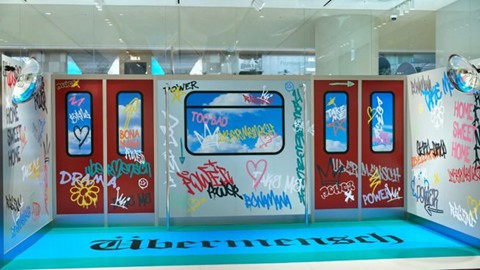
South Korea offers a particularly strong illustration of this dynamic. When Korean rapper and cultural icon G-Dragon launched his Übermensch world tour and immersive media exhibition, it wasn’t simply a concert series, it merged music, fashion, art and merchandise into one participatory universe. Fans could move through interactive installations, access limited-edition items and immerse themselves in the artist’s creative world. The merchandise functioned less as a product and more as proof of belonging, a tangible extension of fandom.
Western markets are following more slowly. In Australia, Belgium, Germany, the US and the UK, roughly a third of people prioritise community and experience over ownership, while France is slightly higher at 48%. This shows that while experiential shopping is gaining traction, Western consumers are still transitioning from traditional transactional habits.
Even so, strong examples are emerging. In December 2025, Tomorrowland opened a pop-up shop in Antwerp, giving fans a physical space to reconnect with the brand outside festival season. Visitors came for official merchandise and limited items, from apparel to branded Christmas ornaments, but the space offered more than products. Small DJ workshops added a layer of participation, reinforcing the festival’s creative spirit, purchasing something there wasn’t just retail; it was a signal of identity. A way of saying “I’m part of this.”
Understanding these regional nuances is critical for brands. A one-size-fits-all approach risks missing opportunities: in markets where fan experiences are advanced, brands must innovate to keep communities engaged, while in emerging regions, education and accessible participation may be the first step.
Tailoring the fan experience: generations in focus
Retail fandom resonates across ages, but the way people engage varies by generation. Younger consumers such as Gen Z (60%) and Gen Y (58%) are most likely to see shopping as a way to join communities and experiences, rather than simply owning products. They embrace playful, immersive activations, limited drops and fan-driven moments as opportunities to explore and express their identity.
Gen X (49%) and Baby Boomers (38%) are more cautious. They still value experiences, but their participation tends to be selective, often tied to trusted brands or meaningful cultural relevance. For these groups, product quality, reliability and seamless transactions remain baseline expectations.
Across generations, one insight stands out: fandom thrives when experiences combine emotional connection with tangible value. Younger audiences may be drawn in by creativity and novelty, but they stay engaged when the product and the experience deliver both authenticity and utility.
For brands, this means designing experiences that cater to diverse audiences: playful, participatory and digital-first for younger consumers, while ensuring quality, trustworthiness and relevance for older generations. In doing so, every fan, regardless of age, can feel part of a community that aligns with their values and passions.
How brands can turn customers into fans
Retail fandom isn’t just about transactions, it’s about participation, connection and shared passion. Brands that want to foster fandom need to go beyond selling products and create spaces where people can belong, explore and engage.
This starts with experiences that invite participation. Gamified challenges, limited drops, immersive events, AR try-ons or livestream formats turn shopping into active engagement rather than passive consumption.
Next, storytelling should spotlight the community. Featuring real voices, insider moments or user-generated content helps customers feel seen and valued. Communication becomes a dialogue, not a polished broadcast.
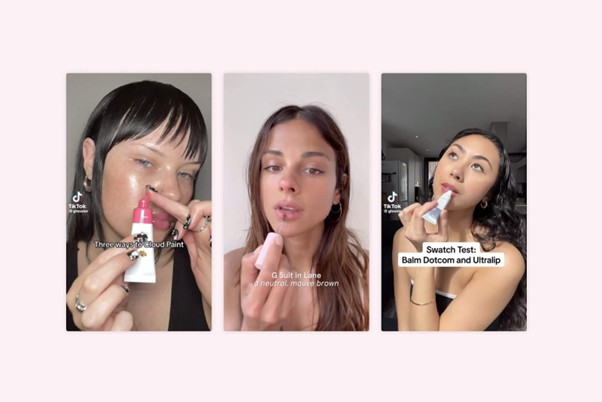
Beauty brand Glossier offers a strong example. Since its early days, the brand has built products in conversation with its community. They actively incorporated customer feedback into development and reformulations and elevated real user reviews, routines and content across its channels. Instead of positioning the brand as the sole authority, Glossier consistently frames its customers as co-creators. The result is a narrative shaped not just by the brand, but by the people who use and love it.
Finally, authenticity and quality remain essential. Emotional connection draws people in, but consistent product excellence keeps them coming back. A fandom built on hype alone won’t last. It must balance excitement with substance.
In short, brands that succeed in the retail fandom era design experiences that reward curiosity, creativity and commitment. They create spaces where fans feel part of something bigger: a community that is playful, meaningful and worth returning to.
* The numbers in this article are based on 15 markets: AU, BE, CN, DE, FR, HK, IN, NL, PH, SG, TW, UAE, UK, US, ZA
FAQ’s
1. What is the retail fandom trend?
Retail fandom is a key trend from Human8’s What Matters 2026 report and talks about how shopping goes beyond transactions. It’s about belonging, shared passion and active participation. Fans engage with brands through experiences, communities, storytelling and co-creation. Not just by buying products.
2. How is retail fandom different from traditional loyalty?
Traditional loyalty often rewards repeat purchases or transactional behaviour. Retail fandom rewards engagement, creativity and community participation. It turns customers into advocates, contributors and co-creators.
3. Which markets are leading the fan economy?
APAC and the Middle East are at the forefront, with consumers in India, China and the UAE embracing social, interactive and gamified shopping experiences. Western markets are starting to follow, but the shift is less advanced.
4. How should brands adapt retail experiences for different generations?
Younger consumers (Gen Z and Y) are most receptive to interactive, immersive and playful experiences. Older generations still value product quality and reliability, but can be drawn in through thoughtful engagement and community storytelling.
5. How were the key consumer trends for 2026 identified?
The trends are based on Human8’s global research and insights from its in-house cultural consultancy, Space Doctors. The approach combines long-term cultural tracking with quantitative and qualitative research across multiple markets.
6. What are the other key consumer trends for 2026?
The other 2026 trends include Human pride, Hyper blanding, Lightspeed living, Health unscripted, Shouting economy, Future tradition and the The achievement zone. Together, they reveal how people balance creativity, authenticity, community and speed in everyday life.


Report
Where can I find the What matters 2026 report?
Click the link below to access the What matters 2026 report
Request your free access