Blog
Is your brand ready for Gen Z?
What characterizes this post-Millennial generation and what do they expect from brands?
Katia Pallini
17 April 2023
5 min read
Generation Z (Gen Z), often called Zoomers, generally refers to people born from the late 1990s through the early 2010s. Growing up amid social upheaval, climate change, and a global health crisis has shaped this generation’s outlook. Many faced the pandemic during formative years, and while mental well-being is a concern, Gen Z is also open about discussing it. So, what characterizes Gen Z in the US*, and what do they expect from brands?
Redefining what it means to make money
Gen Z wants to write its own money rules. Flirting with TikTok and YouTube algorithms, this generation turns its social game into a business plan in no time. In fact, 51% of US GenZ would like to start their own business. But Gen Z is also the first generation with an incredibly high level of financial literacy at a very young age. They follow influencers on social media for financial advice, and 62% has put ‘fin-fluencer’ advice into practice and has invested in the past year. While more traditional products like stocks and education funds take the biggest share in their investment portfolio, Gen Z sees a lot of potential in art and new investment products such as cryptocurrencies and NFTs.
When it comes to brands in this space, Gen Z expects accessible and actionable advice from them to build financial resilience. Copper, for example, taps into this opportunity space. The debit card and banking app helps teens to set goals, learn about budgeting, and save for the future. At the same time, parents can monitor their teens’ purchases in real time, through the app.

It’s ok not to be ok
In the US, 55% of Gen Z feels stressed, caused mainly by mental health (60%) and studies/ job (45%). While social media is a space for Gen Z to connect, be creative and relax, it is often cited as a contributing factor to their mental-health struggles. Comparing themselves to others (34%) and external expectations (16%) add to the stress equation. Unrealistic depictions and image filters put a lot of pressure on looks for this generation (67%).
Gen Z’s focus on mental well-being can inspire brands to take on the role of life coach, supporting youngsters in prioritizing their mental health and encouraging discussions around the topic. For Mental Health Awareness Month 2021, and in collaboration with The Jet Foundation, Victoria’s Secret’s PINK launched ‘Make Your Move’, a programme full of tips on how movement, expressions, connection and self-care can help us feel our best. As part of their Beauty Unaltered campaign, CVS Pharmacy implements a special for any unaltered image, because images are powerful, and using unaltered images can lead to a powerful change. CVS is asking their partners to join the movement, hoping to encourage realism in beauty marketing.

Amplifying their voice and worlds online
Social media plays a central role in the everyday lives of Gen Z. 34% of this ‘always-on’ generation even feels anxious if they (must) disconnect for a day. While this visual- and video-driven generation turns to YouTube for entertainment and tutorials, TikTok provides a creative outlet for memes and viral content. Together with Instagram, the latter is also used for digital activism. Just think about how the Black Lives Matter hashtag engaged a worldwide audience online.
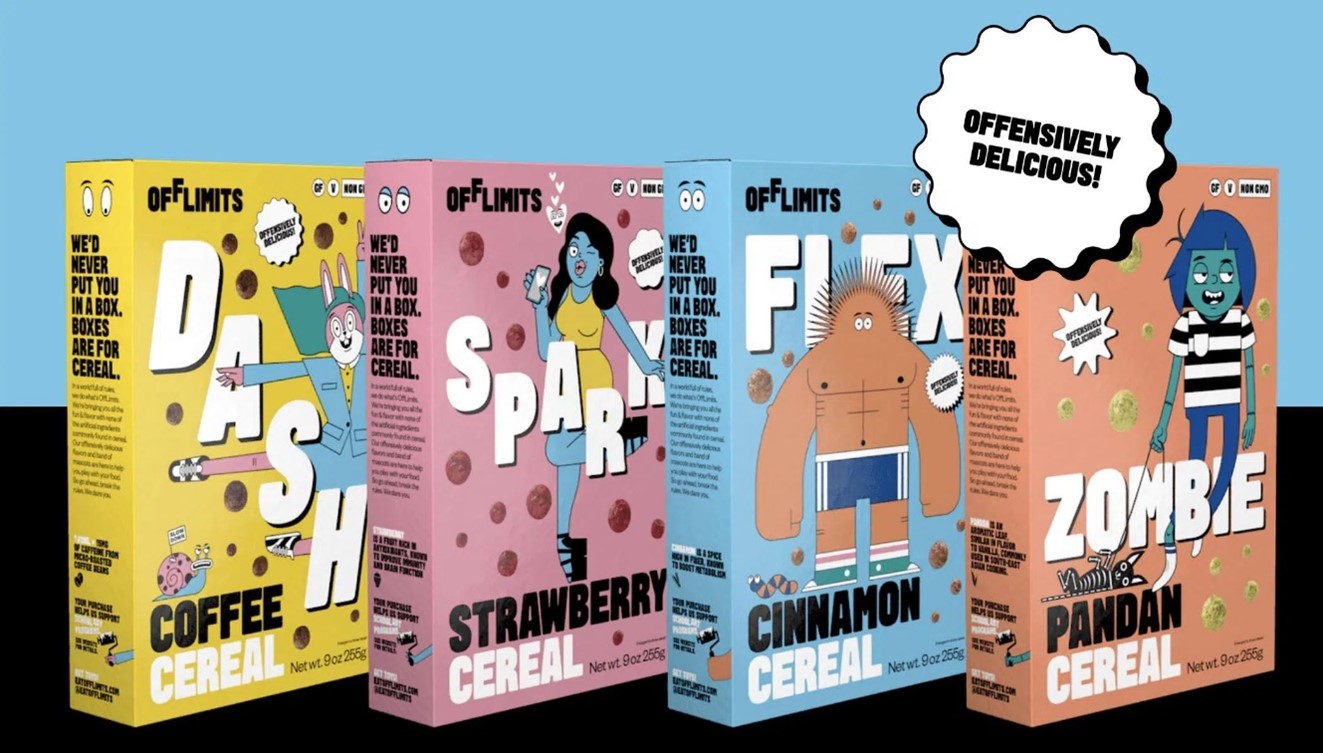
Next to the more traditional social-media platforms, Gen Z is fully exploring the metaverse, from Fortnite to Animal Crossing to Minecraft and Roblox. Hanging out with friends in virtual worlds, creating an avatar, and spending money on virtual avatar outfits, is nothing extraordinary to them. No generation will embrace and shape the metaverse more than Gen Z, and they also expect brands to be there. Cereal company OffLimits, for example, launched 2,500 custom cereal-box NFTs. The NFT owners are invited to collaboratively design and mint a one-of-a-kind cereal-box NFT – both in the metaverse and in real life. In fact, all verified NFT owners will obtain four real-life packing containers of the ultimate cereal NFT.
Taking a stance
Social inequality is among the global issues that concern Gen Z. As one of the most ethnically diverse generations, Gen Z consumers place importance on diversity and inclusion: 48% identify racism and 18% LGBTQIA+ rights as key issues to address worldwide. This concern is reflected in their expectations of brands: 43% want companies to challenge societal issues, while 69% say they would pay more for products from brands that treat employees and suppliers fairly. The survey also found that 42% would pay more for Black-owned brands and 41% for female-owned brands.
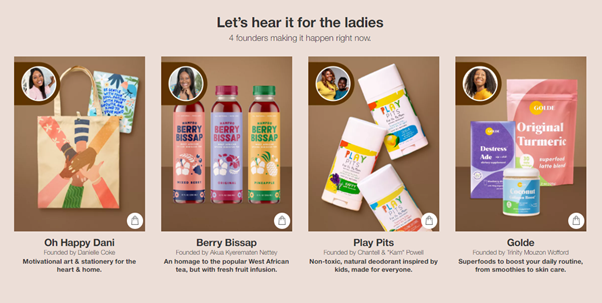
Gen Z consumers expect brands to take a stand on social issues and offer practical ways to support underrepresented communities. Trust depends on more than a public statement: brands need to be transparent about their commitments, follow through consistently, and show measurable progress. Without action to back up a claim, cause-related marketing can come across as performative and undermine credibility. US retailer Target, for example, made a commitment to invest over $2 billion in black-owned brands by 2025, by focusing on those brands and offering mentorship to black designers. Since Target started investing more in black-owned brands, sales have increased significantly.
For Gen Z consumers, authenticity means more than saying the right thing in a marketing campaign. Brands build trust when their claims match visible actions, their representation of people feels realistic, and they follow through consistently over time. Gen Z consumers are shaping expectations around digital experiences, financial and emotional well-being, and social responsibility. For brands, understanding what matters to them is key.
*This blog highlights some key insights from a survey with 1,072 US consumers (Gen Z, Gen Y, Gen X and baby boomers).
FAQ
What does Gen Z expect from brands?
Gen Z expects brands to go beyond products and services. They increasingly look for brands that are authentic, inclusive, socially aware and willing to support the issues and communities that matter to them.
How can brands connect with Gen Z consumers?
Brands can connect with Gen Z by understanding what matters to them, listening to their perspectives and reflecting their values and realities in meaningful ways. Relevance comes from genuine engagement rather than simply trying to speak like Gen Z.
What should brands avoid when marketing to Gen Z?
Let's connect