Why does everything look the same? Inside the Hyper blanding trend
Exploring Hyper blanding: why styles and ideas feel uniform, how consumers respond and how brands can balance trust with individuality.
Sarah Van Oerle
22 January 2026
7 min read
This blog explains the consumer trend Hyper blanding, why cultural sameness is rising and how brands can balance familiarity with individuality to connect meaningfully with consumers.
Scroll through your feed. Walk down a high street. Browse a menu, a homeware store, a fashion site. Different brands, cities and cultures, yet the feeling is strikingly similar. Colours repeat. Styles blur. Ideas echo each other. What once felt niche or distinctive now seems everywhere, all at once.
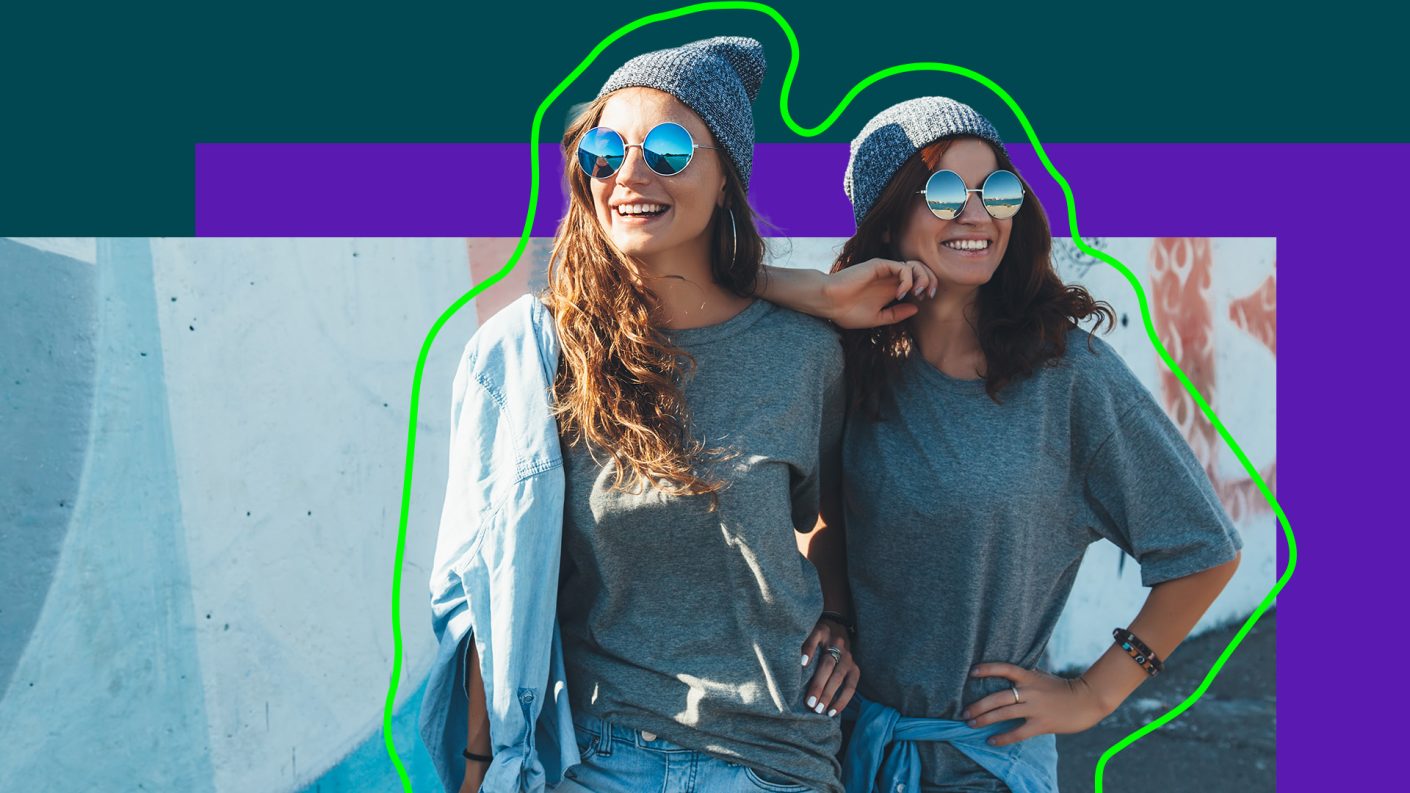
The growing sense of sameness isn’t imagined. Our global research shows that 54% of people feel that from the clothes they wear to the content they consume, everything is starting to feel the same. Trends spread fast, peak quickly and often fade before they’ve had time to feel meaningful.
In our What Matters 2026 report, this phenomenon is what we call Hyper blanding. A cultural state shaped by globalisation, hyper-connectedness and accelerated trend cycles, where familiarity dominates and difference flattens. It’s not about bad design or a lack of creativity, it’s about the speed of the world around us and how people are responding to the pace.
To understand why everything feels the same, we need to look at how ideas travel today, why familiarity feels comforting and how technology quietly reinforces both.
The rise of cultural sameness
Styles, aesthetics and behaviours no longer move gradually through subcultures before reaching the mainstream, they travel instantly. A look, sound or idea can go from niche to global in days, hours even, amplified by platforms designed to reward what already works.
Globalisation plays a role. Shared platforms, global retail chains and international media mean people across Mumbai, Paris, New York or Singapore are often exposed to the same references at the same time. As a result, local distinctions soften and global aesthetics take hold.
Technology, especially AI, accelerates the effect. AI systems learn from existing patterns, identifying what performs well and reproducing it at scale. Recommendation engines prioritise familiarity because it feels safe, clickable and recognisable. Over time, similar ideas are surfaced again and again, reinforcing cultural repetition rather than divergence.
But sameness isn’t only imposed from the outside, people actively participate in it. In a world that feels fast, unpredictable and cognitively demanding, familiar choices reduce effort, offer reassurance and signal belonging. Choosing what’s recognisable in how we dress, decorate or eat becomes a way to feel anchored.
Yet comfort has its limits and as repetition builds, so does fatigue. Beneath the surface of cultural sameness, a quieter question starts to emerge: where do I fit into all of this and how do I stay myself without stepping too far outside the lines? That tension is where Hyper blanding truly lives.
The quiet power in safe choices
Everyday life now demands constant decisions: what to wear, eat, post or buy. Familiar choices switch the noise down and remove the need to overthink. Choosing what already fits in becomes a way to conserve energy.
Blending in also lowers social risk. When tastes are shared, they feel validated. Wearing the “right” trainers, choosing a recognisable brand or following a popular aesthetic sends a simple signal: I belong here. In times of flux, that sense of belonging matters.
This is why Hyper blanding often intensifies during moments of pressure or transition. When people become parents, move cities or take on new responsibilities, they rarely reach for the bold or experimental. They gravitate towards what feels tried, trusted and socially legible, familiarity becomes a stabiliser.
But this safety has a side effect. When everything starts to look the same, comfort can feel dull. People don’t necessarily want to rebel, they just want room to feel themselves again. Hyper blanding lives in this contradiction: blending in to feel secure, while quietly seeking subtle difference.
Footwear and clothing brand Dr. Martens shows how familiarity and individuality can coexist. Their boots are instantly recognisable, signalling a shared cultural identity, yet each wearer can style them in endless ways. From classic monochrome to bold, personalised looks. By combining a trusted, iconic product with space for self-expression, the brand lets people blend in without losing their edge.

Why Gen Z feels the sameness most
If anyone feels cultural repetition first, it’s Gen Z. Not because they follow trends blindly, but because they live inside the systems that generate them.
Their daily environments are algorithm-shaped. Feeds refresh constantly yet often feel predictable. Aesthetic codes repeat. Trends arrive pre-packaged, labelled and optimised before they’ve had time to feel personal.
But this doesn’t mean younger audiences are passive consumers of sameness. In fact, they’re often highly strategic. As Vogue Business highlights, Gen Z and Millennials don’t simply accept what algorithms serve them, they use platforms as discovery tools – scanning, saving, remixing rather than instruction manuals. Inspiration is gathered digitally, but expression happens on their own terms.
This creates a distinctive pattern. Algorithms provide the raw material, but personal taste decides what sticks. Instead of copying wholesale, younger shoppers curate fragments: a colour here, a silhouette there, a reference pulled from one context and reworked in another. Digital guidance is blended with offline identity, lived experience and peer influence.
Nearly half of Gen Z say they feel most comfortable when they express their individuality and stand out. Yet they do so carefully, often within familiar frameworks. Sameness provides the base layer; individuality is added in controlled, personal ways.
For Gen Z, the challenge isn’t escaping the algorithm, it’s learning how to use it without losing themselves to it. And that balancing act, between shared culture and personal expression, is shaping how sameness is felt, resisted and reworked in real life.
What Hyper blanding means for brands?
In a world of sameness, brands face a delicate balance. Consumers want comfort and familiarity, but they also crave moments that feel personal, thoughtful and distinctive. Hyper blanding creates tension, but also opportunity.
Familiarity still matters. Safe, recognisable options reassure people, especially in fast-moving or uncertain contexts. Brands that deliver consistency and reliability build trust but if everything feels generic, consumers may drift toward competitors or niche alternatives that offer a spark of originality.
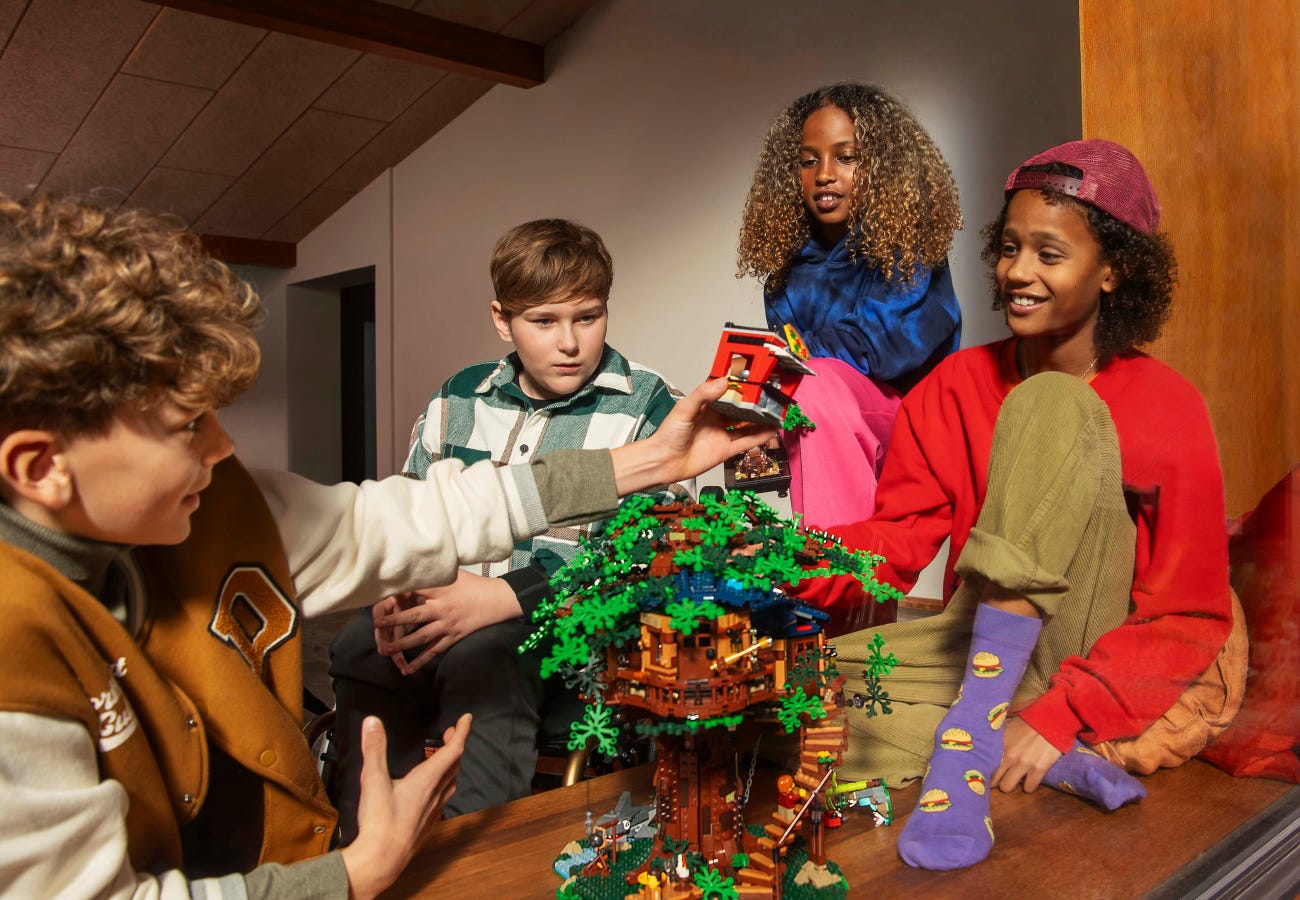
LEGO is another great example of how familiarity and individuality can coexist. The core bricks and sets are instantly recognisable worldwide, offering comfort and trust, yet each builder can create something entirely unique. With innovations like “smart bricks,” LEGO now blends tactile building with digital play, giving users even more ways to personalise familiar products and express themselves.
Further opportunity lays in layering personality on familiarity:
- Reclaim heritage cues: revive stories, rituals or design elements that feel authentic and grounded.
- Embrace creative choices: introduce subtle, thoughtful distinctions that make products feel curated rather than mass-produced.
- Design for recognition and delight: create experiences that are instantly legible yet leave space for personal expression.
Hyper blanding also calls for contextual nuance -some audiences lean heavily on comfort; others, especially younger consumers, actively seek micro-moments of individuality within the mainstream. Understanding when to reassure and when to surprise is key.
The brands that succeed connect on a human level, by navigating the tension between safe sameness and meaningful difference, they create experiences that resonate personally, inviting consumers to belong without losing their sense of self.
* The numbers in this article are based on 15 markets: AU, BE, CN, DE, FR, HK, IN, NL, PH, SG, TW, UAE, UK, US, ZA
Frequently asked questions
1. What is Hyper blanding?
Hyper blanding is a key trend from Human8’s What Matters 2026 report. It describes the growing sense that styles, ideas and aesthetics are becoming uniform, as globalisation, digital platforms and AI accelerate cultural sameness. It reflects how people often choose familiar, safe options to feel comfort, belonging and reassurance.
2. Why does Hyper blanding matter for brands?
Hyper blanding shapes how consumers perceive and engage with products. Brands that balance familiarity with authentic, distinctive touches can build trust and loyalty, while purely generic experiences risk blending into the crowd and being overlooked.
3. How does Hyper blanding affect younger generations?
Gen Z and Millennials experience Hyper blanding most acutely because of algorithm-shaped feeds and fast-moving digital trends. Yet they actively navigate these systems, curating inspiration and expressing individuality within familiar frameworks rather than following trends blindly.
4. Does Hyper blanding look the same around the world?
The intensity of Hyper blanding varies by region. This perceived sameness is strongest in markets like India (70%) and Singapore (64%), where trends scale quickly, and less pronounced in places like Germany (36%), where local culture and deliberate choice encourage differentiation.
5. How were the key consumer trends for 2026 identified?
The trends are based on Human8’s global research and insights from its in-house cultural consultancy, Space Doctors. The approach combines long-term cultural tracking with quantitative and qualitative research across multiple markets.
6. What are the other key consumer trends for 2026?
The other 2026 trends include Human pride, Lightspeed living, The achievement zone, Health unscripted, Shouting economy, Future tradition and Retail fandom. Together, they reveal how people balance creativity, authenticity, community and speed in everyday life.


Where can I find the What matters 2026 report?
Click the link below to access the What matters 2026 report
Request your free access