Insight informs, but consumer empathy transforms
Why consumer insight on its own is no longer enough.

Sarah Van Oerle
02 June 2026
5 min read
The challenge is no longer finding consumer insights, it’s turning them into action. While insights can reveal powerful human truths, it’s consumer empathy that brings them to life, creating the connection, urgency and alignment needed to act on them.
Today, brands can see more of consumers than ever before. What people buy, what they think and feel about brands, how they respond to content and how they behave late at night when no one is really watching. We’ve become incredibly good at observing human behaviour and turning attitudes and actions into consumer insights. But insight is not the same as empathy. Insights can explain what people do and why, but empathy helps us truly see and feel the human reality behind it. And that distinction matters more than ever.
Because somewhere between the dashboards, reports, personas and AI-generated summaries, consumers have started to become abstract. A cluster, target group or a statistic in a presentation deck. And as that happens, the human reality behind the data fades into the background. That’s where brands begin to lose touch.
In our previous blogs, we explored the growing distance between brands and consumers and the executive bubbles that shape decision-making. In this piece, we explore the next challenge: why insight alone is no longer enough and why empathy is what ultimately brings consumer understanding to life.
The illusion of closeness
Market research was never meant to create distance. Quite the opposite. Its role has always been to deepen understanding of people and the reality they live in.
But in many organisations, something unintended has happened. The more information we gathered, the more fragmented consumer understanding became. Teams now sit on mountains of data and insights. Yet those insights often live in different tools, decks and conversations. Everyone has access to information, but very few feel truly connected to it.
And that creates a dangerous illusion: because we know more, we assume we understand more. But knowledge alone rarely changes behaviour inside organisations. You can know younger audiences feel anxious about the future. But that doesn’t mean you grasp how deeply uncertainty shapes their decisions. Or you are aware that parents crave simplicity. But that doesn’t mean you experience the chaos they navigate before 8am.
Insight informs, but empathy creates urgency. It motivates people to act and sparks new ideas.
How empathy turns insight into action
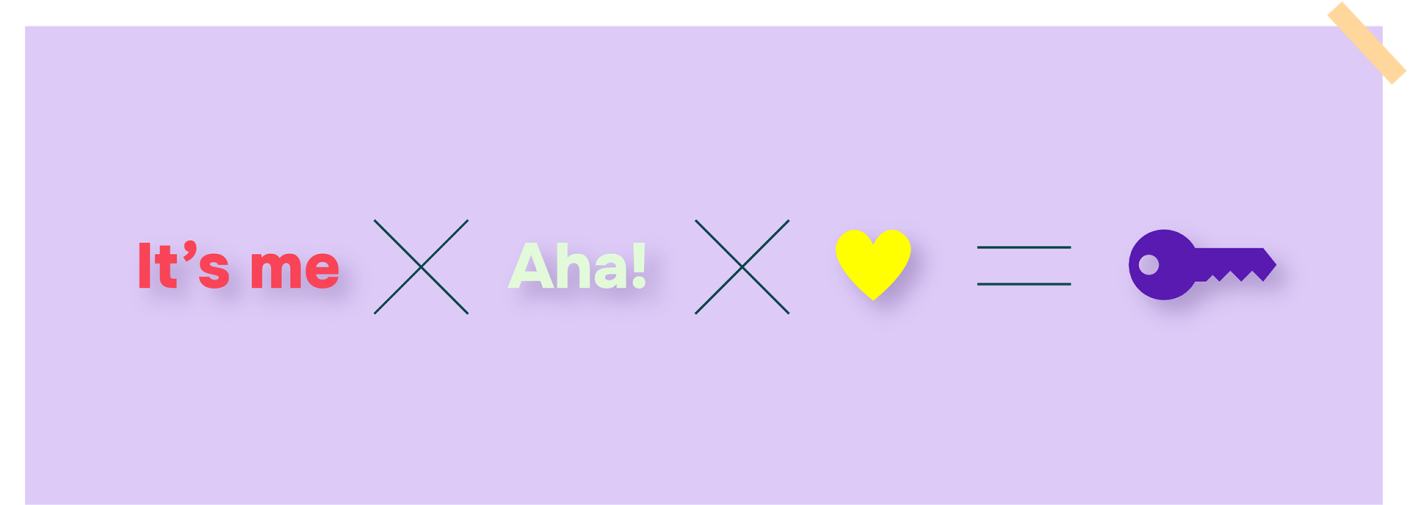
Our ‘insight formula’ highlights the key dimensions what makes a strong insight: It’s me x Aha x Emotion. A great insight is relevant, recognisable and emotionally charged.
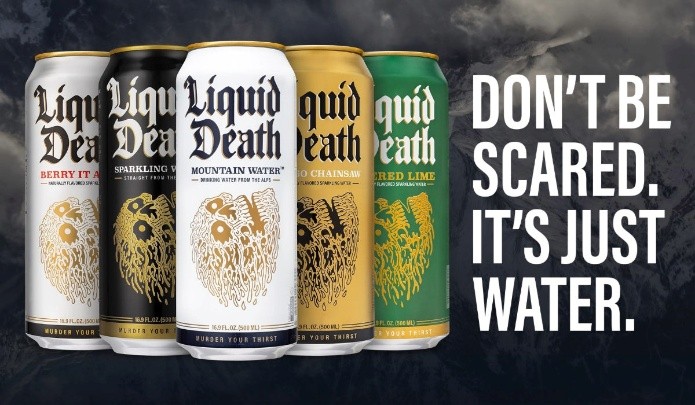
And when you look at the world’s most successful brands, they are built on insights that feel deeply human. Take Liquid Death. At its core, it’s just water. But the brand didn’t start from a functional insight about hydration. It tapped into something more human. There’s a growing group of people trying to drink less alcohol or make healthier choices, but who don’t want to feel out of place when everyone else is holding a beer. Liquid Death understood that tension. So instead of making water feel worthy or virtuous, they went in the opposite direction. Loud branding combined with heavy metal aesthetics signal that people that drink water are still part of the moment. It gives them a way to make a different choice without having to explain it or stand apart. This is what a strong insight does. It captures a real human tension and turns it into something meaningful.
But even the strongest insights don’t automatically create impact inside organisations. In the case of Liquid Death, that understanding translated into something tangible because the brand stayed close to the reality behind the insight. It didn’t just recognise the tension, it responded to how it actually feels for people in that situation. Inside organisations, that connection is often where things break down. Because an insight in a presentation deck is still just information until people emotionally connect with it. That’s where empathy makes the difference. Consumer empathy makes insights harder to ignore. It creates urgency, sharpens focus and sparks ideas. It helps teams move beyond analysing consumers from a distance and start seeing the world through their eyes. And that’s often the moment when insight finally turns into action.
Insight only creates value when it travels
One of the biggest challenges for insight teams today is not generating insight. It’s helping organisations feel it. Because even brilliant consumer understanding loses power when trapped inside PDFs, presentations or siloed teams. This is where insight socialisation becomes critical. The goal is no longer just to inform. It’s creating experiences that immerse organisations in consumer reality.
Because perspectives shift when stakeholders stop reading insights and start experiencing them. For Pernod Ricard, for example, we turned insight sharing into a live-streaming reality show format. Instead of presenting findings from a large Moments of Consumption study in a traditional format, we brought those moments to life with real people, in real contexts.
Stakeholders didn’t just hear about consumer segments or occasions, they could watch them unfold, revisit the environments in which they happened and engage with them in real time. Hosted on an interactive live streaming platform, the experience allowed teams to ask questions, react and explore the insights as they were happening.
We see similar impact in very different formats. For HSBC in Indonesia, we brought Millennial consumers to life through ongoing community engagement and interactive workshops. There, stakeholders could participate in live ‘digital dating sessions with consumers or engage directly with virtual personas. This helped them explore real financial realities and build ideas grounded in lived experiences.
Across both cases, the shift was immediate. What had previously been rich but complex bodies of insight became something people could actually see and feel. Conversations became more grounded, ideas more human and alignment easier to reach.
Because once people experience the reality behind the insight, it becomes much harder to ignore.
From consumer insights to consumer empathy
That’s the real shift happening right now. The future of insight isn’t simply about better data. It’s about rebuilding consumer empathy inside organisations. Helping brands not just connect with their consumers, but truly understand them. Because brands are ultimately experienced in real life. In the middle of messy mornings, small celebrations, financial stress, moments of doubt and moments of joy.
In the end, it’s not about knowing the most about people. But about staying closest to them.
1. What is consumer empathy?
Consumer empathy is the ability to deeply understand and relate to people’s lived experiences, contexts and emotions. It goes beyond analysing consumer insights by stepping into real situations, enabling decision-makers to interpret behaviour more accurately and make more human-centred decisions.
2. Why is consumer empathy important for brands?
Consumer empathy is important because it helps organisations move beyond data and truly understand people’s motivations, emotions and real-life contexts. This leads to more relevant strategies, stronger connections and better business outcomes.
3. What is the difference between consumer insight and empathy?
Consumer insight explains patterns in behaviour, while consumer empathy connects those patterns to real human experiences. Insight informs decisions, but empathy drives action by making those insights emotionally meaningful.
4. How can organisations turn insight into empathy?
Organisations can turn insight into empathy by socialising insights through immersive formats, storytelling and real-life exposure to consumers. This helps stakeholders move from understanding data intellectually to experiencing it emotionally.