BLOG
Three characteristics of a good insight
Great ideas don’t start with creativity. They start with a great consumer insight.
Tom De Ruyck
06 March 2023
3 min read
Great insights go beyond describing behaviour. They connect to real human experiences, bring a fresh perspective and capture an emotional tension worth solving. When these elements come together, insights become powerful foundations for ideas that feel relevant, meaningful and actionable.
Creativity isn’t where strong ideas start, consumers understanding and insight is. You can organise as many creative brainstorms as you want, but without a strong insight at the core of your brand or innovation, most ideas won’t go anywhere. That’s not a creative problem. It’s an understanding problem. Because without a real human truth at the foundation, even the best ideas tend to stay superficial or end up in the long list of failed launches. A single strong insight is still worth more than dozens of good ideas.
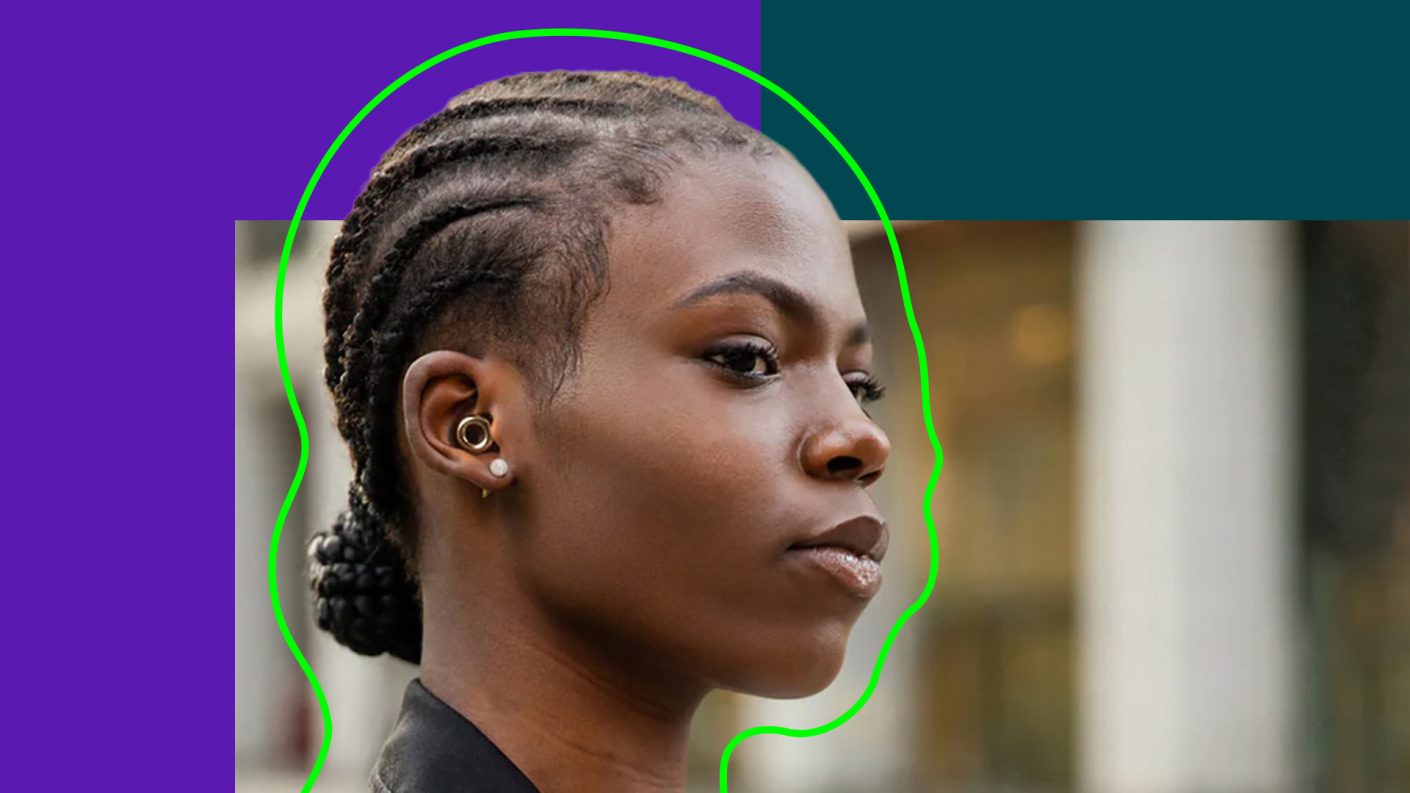
Loop earplugs illustrates this well. When they entered the market, they didn’t just focus on reducing noise. That would have kept them in a purely functional space. What they recognised was something more human: people want to protect themselves without feeling disconnected or out of place. Especially in social settings. That shift – from protection to participation – allowed them to create something that performs well, but also feels right to wear. Something people don’t have to hide.
As obvious as it might sound, many innovations do not have an insight at the basis. ‘Insight(s)’ is one of the most misused terms in marketing and market research, so when do you have a strong insight?
A simple way to think about consumer insights
We often describe a strong insight using a simple formula:
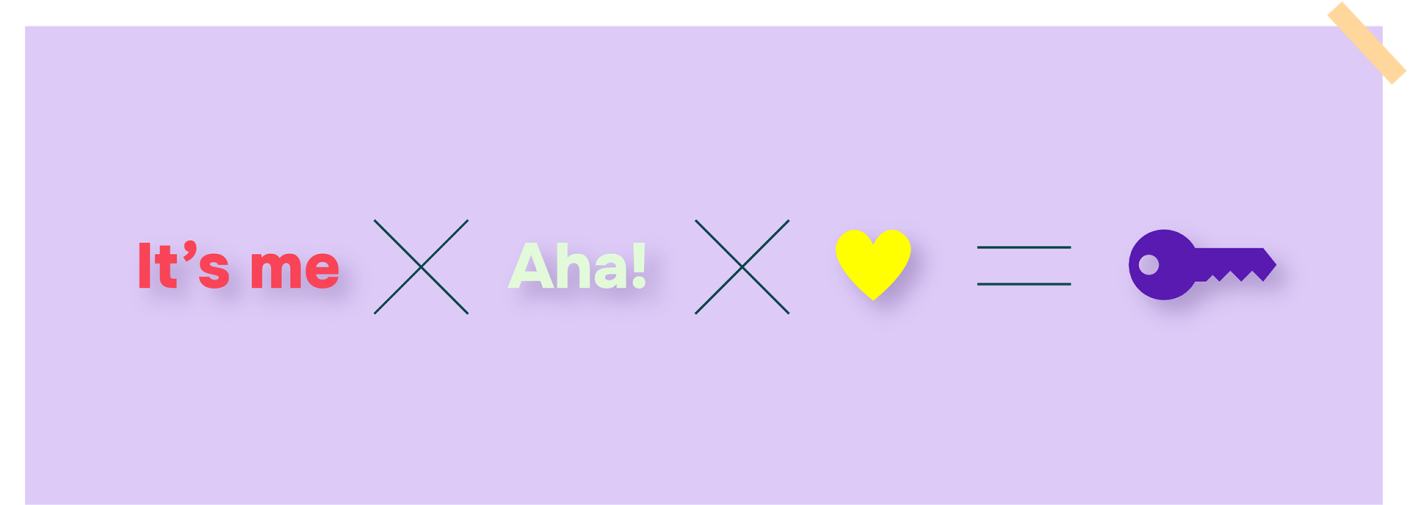
Not as a rigid framework, but as a way to sense-check whether you’re dealing with something real or just a well-phrased observation.
-
It’s me (relevance)
A good insight is relevant when people can either recognise themselves in it or see it reflected in people close to them.
A strong insight starts with recognition. It’s the feeling of “that’s exactly me” or “I know this situation”. Not in an abstract way, but in a way that immediately connects to real life.
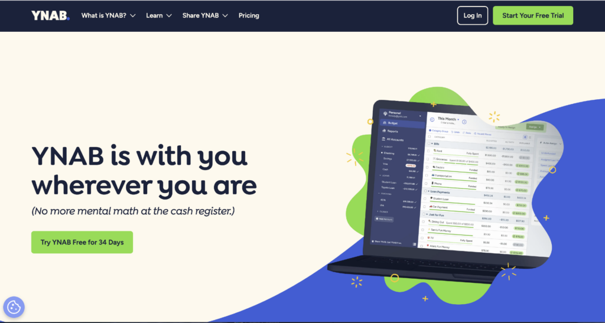
Fintech brands like YNAB (You Need A Budget) show what this looks like in practice. They don’t just tap into the need for budgeting tools. They recognise something more uncomfortable: people can feel stressed about money even when they’re doing “fine” on paper. It’s not just about numbers. It’s about the constant mental load, the small daily trade-offs, the feeling of never quite being in control. That’s what makes it land.
And it’s also where many so-called insights fall short. They describe behaviour, but don’t connect to something people truly recognise in their own lives.
Getting there requires proximity. For Nike, for example, we immersed ourselves in the lives of Gen Z consumers in Hong Kong. Not just to understand what they do, but what shapes their world: their values, pressures and ambitions. That closeness is what allows insights to move beyond surface observations.
It also helps us understand people in ways that traditional demographic segmentation can miss. Age, gender or income can tell us who someone is on paper. A strong consumer insight can reveal what connects people across those groups: shared motivations, tensions, needs or experiences. That can lead to more meaningful ways of segmenting and understanding audiences.
-
Aha! (new perspective)
A good insight doesn’t just feel familiar, it also reframes something in a way that makes you stop for a second. The “Aha” is that small shift: I’ve never thought about it like that before… but it’s true.
BeReal captured this perfectly. It taps into a growing discomfort: people were tired of performing their lives rather than living them. That insight isn’t new, but articulating it so clearly and building a product around it, created that moment of recognition. Not because it revealed something hidden, but because it made something implicitly felt suddenly explicit.
That’s what a strong insight does. It brings clarity to something people already feel, but haven’t quite put into words. Getting to that point often requires stepping outside familiar patterns. For Chiquita, we deliberately disrupted routines by asking one group of consumers to stop eating fruit, while encouraging another to introduce it into their daily lives. By shifting behaviour, we uncovered new perspectives on how people experience health – mentally as much as physically – and the role smoothies could realistically play.
-
Emotion (tension worth solving)
Relevance and recognition alone aren’t enough. A strong insight carries emotion; some kind of tension, friction or desire for change. Without that, there’s no real reason for anything to evolve.
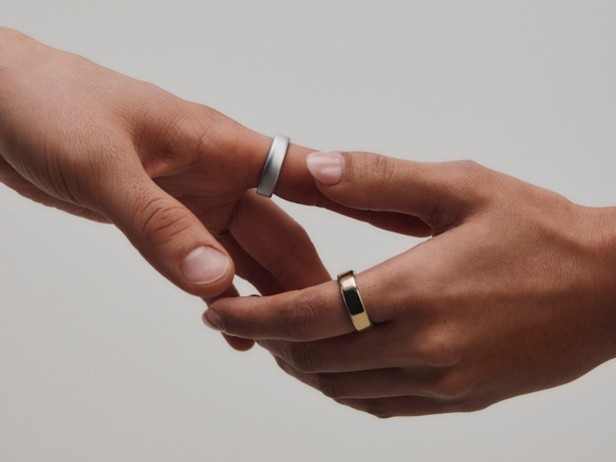
Take Oura Ring. Tracking health isn’t a new need. But the insight goes further: people want to feel in control of their wellbeing, yet often don’t fully understand how their daily habits like sleep and stress actually affect them. The tension isn’t just about health data, but about the gap between intention and awareness. People want to do better, but don’t always know what “better” looks like in practice. That’s what makes it resonate. The product doesn’t just track behaviour, it reflects back patterns in a way that feels personal and actionable. It speaks to a very human desire: to feel more in tune with your own body without needing to become an expert.
This is why tensions, barriers and unmet needs can be so powerful in consumer insight work. They point to something people want to change, overcome or achieve. And that gives brands a meaningful place to act.
Bringing it together
A strong insight sits at the intersection of these three elements:
- It feels immediately recognisable
- It brings a fresh perspective
- It captures a real emotional tension
When one of these elements is missing, the insight quickly loses its ability to resonate or drive action.
A recent example is Threads, Meta’s response to Twitter/X. The launch was built on a clear observation: people were looking for alternative spaces for conversation. But early adoption showed that this observation wasn’t enough. Many users signed up, but struggled to see how the platform fit into their existing habits or added something meaningfully different. The opportunity was there, but the underlying insight lacked depth. It captured a moment, but not a clear emotional need or tension strong enough to sustain engagement.
It’s a reminder that timing and trends don’t replace real insight.
Insight is the starting point, not the finish line
A final nuance that’s often overlooked: a strong insight isn’t the end result. It’s the starting point.
It’s not an idea or a solution. It’s the foundation that allows ideas to emerge in a way that feels relevant, meaningful and grounded in real life. And it only creates value when it’s actually understood and used.
Strong insights can guide everything from innovation and customer experience to marketing communication. In marketing communication, for example, they can shift the focus away from simply listing product features and towards expressing why those features matter in people’s lives. Instead of telling people what a product does, an insight helps brands connect that benefit to a real need, tension or desire. That’s what makes a message more meaningful and memorable.
Because even the best insight can lose its power if it stays stuck in a deck, reduced to a sentence rather than experienced as something real.
So, what’s your insight? Not your observation, hypothesis or idea. But the underlying human truth that makes everything else make sense.
1. What is a consumer insight?
A consumer insight is a deep understanding of a real human truth, typically a tension, need or unmet desire, that explains why people behave the way they do and can inspire meaningful action.
2. What makes a good insight?
A strong insight is relevant (people recognise it), brings a fresh perspective and captures an emotional tension. It goes beyond observation by revealing something meaningful about people’s lived experiences.
3. What is the difference between an insight and an observation?
An observation describes what people do. An insight explains why it matters by connecting behaviour to underlying motivations, emotions or tensions.
4. Why are insights important for innovation?
Insights provide the foundation for ideas that resonate. Without them, innovations risk being surface-level or disconnected from real consumer needs and experiences.