Blog
Gen Z in South Africa: the generation redefining brand responsibility
Why purpose, inclusivity and support matter more than ever to South Africa’s young consumers.

Katia Pallini
04 April 2023
3 min read
Accounting for around one third of the global population, Generation Z — also known as Gen Z or Zoomers — refers to the young people born after Millennials, generally from the late 1990s to the early 2010s. They have grown up with smartphones, social media and rapid social change, shaping how they communicate, shop and engage with brands. With their collective disposable income expected to reach $33 trillion over the next decade, brands cannot afford to ignore this generation. But what shapes Gen Z, and what do they expect from brands?
Purpose matters, but action matters more
This generation is using its spending power to support the kind of future it wants to see. Brands are no longer judged solely on what they sell. They’re judged on the impact they create.
The demand for action is particularly striking. Seventy-one percent of South African Gen Z wants brands to give back to society. Compared with older generations, Gen Z is also more likely to expect brands to engage with social issues and contribute to conversations about change.
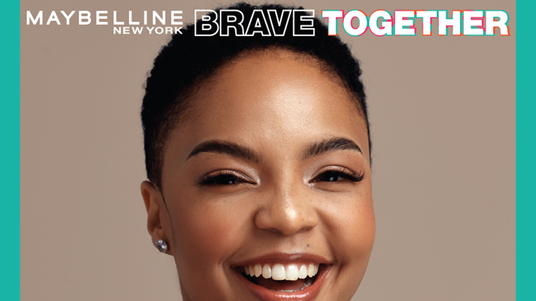
Brands that show up authentically can create genuine value. Maybelline New York’s #BraveTogether initiative, developed alongside leading South African non-profit organisations, aims to break down the stigma surrounding anxiety and depression by providing accessible support and resources, including counselling via WhatsApp.
Help them navigate uncertainty
Almost half (45%) report feeling stressed, often due to financial concerns (58%), education, employment (54%) or family circumstances (45%). Mental wellbeing is a particularly important issue, with Gen Z significantly more likely than older generations to identify it as a major source of stress.
But this is also a generation that is comfortable talking openly about mental health. Rather than hiding vulnerability, they are helping to normalise conversations that previous generations often avoided.
The most successful brands will act as partners rather than teachers. They will create products, services and experiences that help people navigate uncertainty, express who they are and feel more connected to the world around them.
What brands should do next
FAQ
What does Gen Z in South Africa expect from brands?
Will Gen Z pay more for purpose-driven brands?
Yes. Our research found that many South African Gen Z consumers are willing to pay more for brands that embrace inclusive practices, operate sustainably and create a positive impact in society.
How does Gen Z make purchasing decisions?
Let's connect