Blog
Gen Z in 2025: navigating digital exhaustion in a digitally native world
The key trends in 2025 defining what Gen Z find important when it comes to authentic connections and a fulfilling life.

Cat Bell
13 March 2025
7 min read
This blog looks at the impact of growing up as digital natives on Gen Z. Despite being ultra-connected and ‘always online’, this age group are looking to build more meaningful connections away from the internet and there are opportunities for brands to support them with this.
Known as the digitally native generation, Gen Z is the first age group to have had the internet available from birth. They didn’t just grow up with the internet – it’s dominated many aspects of this generation’s life. Therefore, it can be a common misconception for Gen Z trends that they want everything to totally digital focused. Although it looks like the younger generations seamlessly navigate social media platforms, online marketplaces and emerging technologies, living in a digital-first world can be draining. According to an article by Medium, 73% of Gen Z report feeling digitally exhausted, yet they spend about 7.2 hours every day looking at content online. Although everyone is grappling with the rapid rise of AI and digital identity management, Gen Z (and the upcoming Gen Alpha) are still in the pivotal years where a large amount of personal development and social connections are defined.
Our What Matters 2025 trend report highlights just how deeply technology influences every corner of modern life. The rapid rise of AI for instance, is reshaping digital interactions and pushing the boundaries of what’s possible online. While this has provided us, particularly Gen Z, with unlimited connection and opportunities online, it has also in turn made it harder to find joy and empathy offline, in the physical world. When so much of your existence is forced online, what happens when it starts to become an energy drainer? The answer lies in three of the trends outlined in our trend report.
Depth over distance
Gen Z is hyper-connected, yet somehow still craving closer, more meaningful relationships. While social media and the internet bridges physical gaps, it doesn’t replace the need for deeper emotional connections which can often only be built offline. 62% of Gen Z globally struggles to build meaningful relationships, with one 22-year-old in our What Matters study sharing “Talking online versus talking in person is quite different. In person, you see their emotions – their laughter, their reactions. Online, you can overrread or overthink what they’ve sent. It’s just not the same”. This desire for ‘real’ relationships is less prevalent amongst Babyboomers, where only 58% feel the difficulty around building deeper connections. This suggests that the prevalence of online communication in younger generations is influential in the loneliness Gen Z are experiencing.
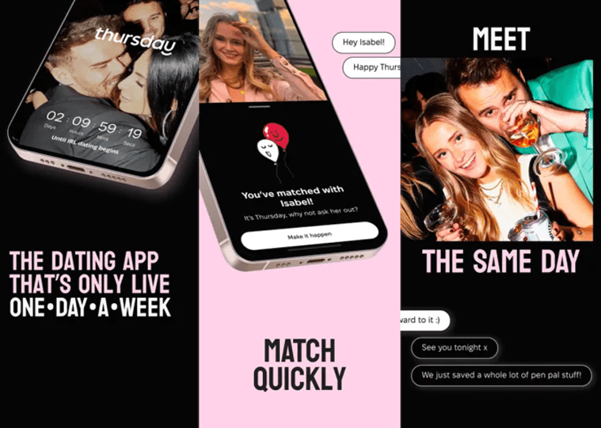
The opportunity for brands here lies in fostering authentic engagement and providing real meaning for their Gen Z audiences. This means going beyond likes and comments to create experiences where their consumers feel truly recognised and seen. Companies that prioritise empathy and real-world connections will resonate deeply with this generation – it’s no longer just about online communities, but how can you create space for offline engagement as well. Take the UK originated dating app Thursday, for example. Although Gen Z have grown up in a world where online dating has always been the norm, Thursday founders George Rawlings and Matthew McNeill Love recognised the fatigue of swiping and text conversations going nowhere, leading to their app where users can only ‘match’ on a Thursday and they need to be free and willing to go on a date that very same day – in real life. By getting their users off the app, they’re helping establish real life connection moments and avoiding the drain that dating online can lead to.
Global cosmetic brand REFY also made waves in 2024 when they opted to ditch the influencer brand trips and instead hosted a community trip, taking their loyal customers on holiday instead. Not only did the brand reward dedicated customers with the trip, they also encouraged offline connections to others with a common interest.


Micro Joy
With everything going on in the world, and everything they have to deal with in their daily lives, every generation is looking for the small moments of joy they can create or find. 80% of Gen Z find it important to find little moments of joy every day, leading to the well-known ‘little treat culture’ Gen Z trend. Initially originating on TikTok, the concept has been born out of a resistance against the current economic climate, with the generation looking for affordable, small ‘treats’ that they can use to get through the day. Whether this is a sweet snack, a walk outside or 5 minutes of a fun activity, it has become almost ritualistic for many members of Gen Z. One 22-year-old female surveyed told us “Simple things that make me happy are just small things, like the fact I put up fairy lights yesterday” demonstrating the significance of seemingly insignificant things.
Hostess Cakes, US confectionery brand, is capitalising on this movement with their ‘Meltamors’ snack cakes. Marketing VP Chris Balach commented that the microwaveable range is meant to ‘bring carefree joy to everyday moments’ – perfect for Gen Z.

Another example is Liberty London using another Gen Z TikTok trend, the ‘Hot Girl Walk’ to promote their athleisure collections. The Hot Girl Walk is well-known to the social media generation and is yet another micro joy moment – a walk outdoors focused on self-esteem and mental well-being, as opposed to physical performance. Brands need to be where Gen Z are and the chances are, they are already telling you what they want from you. Helping your audience to create these ‘micro joys’ is key to maintaining an engaged audience.

Curated Choice
From streaming platforms to career paths, today’s endless choices can feel more overwhelming than freeing. This abundance disproportionately affects Gen Z, who are navigating life-defining decisions about education, work and relationships. A striking 58% of them feel overwhelmed by choice, compared to 45% of Gen X and only 38% of BabyBoomers. “Young people are bombarded from childhood with opportunities, making it hard to know what’s right without proper guidance,” shared a Baby Boomer in our study. A 22-year-old described it as a mix of “excitement, happiness, and fear” – an emotional cocktail familiar to many in this demographic.
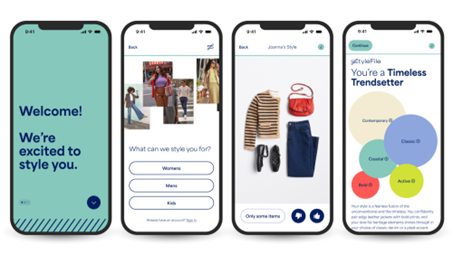
To counter this choice stress, Gen Z gravitates toward pre-selected, thoughtful options that simplify decision-making. Brands can step in by offering curated experiences. Stitch Fix, for instance, provides an online personal styling service where consumers receive curated clothing selections based on their preferences and feedback. This approach simplifies the shopping experience, helping users discover fashion items tailored to their taste without the hassle of browsing through endless options.
Although Gen Z are a chronically online generation, it doesn’t mean that they don’t value their offline experiences as well. Brands need to understand this and look to create these experiences for their younger consumer bases. While digital might be the way in to the generation, helping them to avoid digital exhaustion is what Gen Z consumers are looking for in 2025. The overarching theme highlighted in our 2025 What Matters report is the need and desire for a more fulfilling life. For Gen Z, that is being achieved through deeper connections, every day micro joys and simplicity to cut through the overwhelm.
FAQs
1. What is digital exhaustion among Gen Z?
Digital exhaustion among Gen Z is the mental and emotional fatigue caused by constant exposure to digital platforms, content, communication and technology. Although Gen Z is considered the first digitally native generation, being constantly connected does not necessarily make digital experiences more fulfilling. Human8’s research highlights a growing desire among Gen Z for deeper offline connections, everyday moments of joy and greater simplicity. For brands, this means digital engagement should complement real-world experiences rather than contribute to an always-online lifestyle.
2. Why is Gen Z experiencing digital exhaustion despite being digitally native?
Gen Z has grown up with the internet, social media and digital technology as part of everyday life, but digital fluency does not mean digital fatigue is absent. Constant connectivity can create pressure to stay informed, respond, compare, consume content and maintain an online identity. Human8’s research shows that Gen Z is increasingly looking beyond digital connection for a more fulfilling life, particularly through meaningful relationships and offline experiences.
3. Why does Gen Z value meaningful offline connections?
Gen Z values meaningful offline connections because digital communication can provide constant contact without always creating emotional depth. Human8’s What Matters 2025 research found that 62% of Gen Z globally struggle to build meaningful relationships. This highlights an important distinction for brands: Gen Z may be highly active online, but they still want authentic, face-to-face experiences where they can feel recognised, understood and genuinely connected.
4. What is micro joy and why is it important to Gen Z?
Micro joy refers to small, accessible moments or experiences that create happiness in everyday life. For Gen Z, these can include enjoying a favourite snack, taking a walk, spending time with friends or engaging in a small activity that provides a break from everyday pressures. Human8 found that 80% of Gen Z consider finding little moments of joy every day important. The popularity of ‘little treat culture’ reflects this desire to find affordable, achievable moments of positivity amid wider economic and social pressures.
5. Why does Gen Z feel overwhelmed by too much choice?
Gen Z can experience choice overload because they are navigating an unprecedented number of options across areas such as entertainment, careers, education, shopping and relationships. Human8’s What Matters 2025 research found that 58% of Gen Z feel overwhelmed by choice. As a result, Gen Z increasingly responds to curated recommendations and thoughtfully selected options that make decision-making easier. For brands, reducing friction and helping consumers navigate choice can be more valuable than simply offering more options.
6. How can brands engage Gen Z without contributing to digital exhaustion?
Brands can engage Gen Z by moving beyond constant digital engagement and creating experiences that support meaningful connection, everyday joy and simplicity. This could mean developing offline experiences, creating opportunities for genuine community, offering small moments of joy or using curation to reduce choice overload. The key is recognising that Gen Z’s digital-native status does not mean they want everything to be digital. Human8’s research suggests that brands can build stronger relationships with Gen Z by helping them create a more fulfilling life both online and offline.