Blog
What Matters in 2024: 4 dimensions of a regenerative tomorrow
Many people want to make positive change and they expect brands and organisations to do the same. But, what does ‘positive change’ mean and how is it showing up in culture?

Sarah Van Oerle
15 December 2023
5 min read
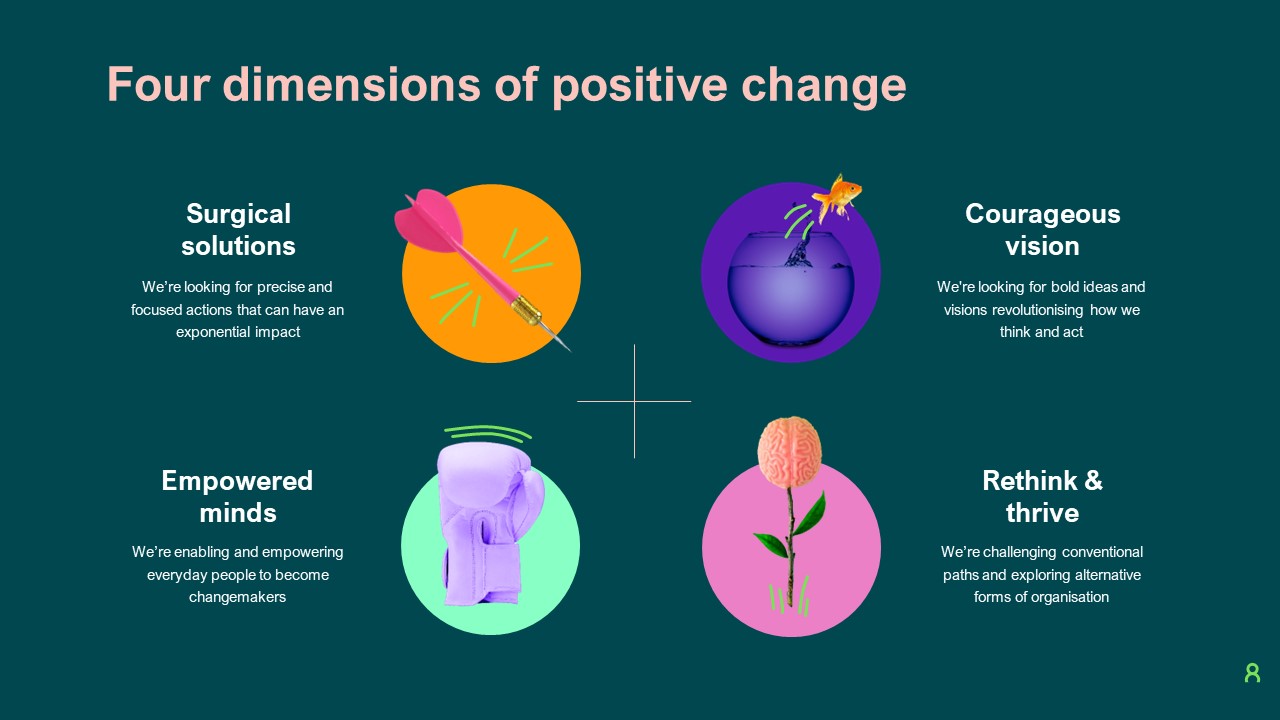
Brands and organisations can contribute to a more regenerative future by identifying four emerging dimensions of positive change: Courageous Vision, which encourages bold ideas and new ways of thinking; Rethink & Thrive, which challenges established systems and creates more inclusive models of access and opportunity; Empowered Minds, which gives marginalised and underrepresented voices greater agency to drive change; and Surgical Solutions, which focuses on precise, targeted actions that can create meaningful impact. Drawing on cultural research from Human8’s Space Doctors team and its global network of semiotic, cultural and category experts, the article examines the consumer needs, cultural tensions and opportunities behind these four dimensions and shows how brands can move beyond incremental sustainability towards a more regenerative approach to social, environmental and cultural change.
Have you seen Vestiaire Collective’s latest campaign? The second-hand marketplace addresses overconsumption driven by the fast-fashion industry with the slogan ‘Think first, buy second’. In a provocative AI-generated video they depict piles of discarded clothes littering Times Square, posing the question: ‘What if fast fashion waste was on your doorstep?’. Vestiaire Collective is just one of the brands that is finding its way in thinking in a more regenerative way. They understand that we need to fundamentally change how we do things to safeguard the future and educate consumers on saying no to fast fashion. Many people want to make positive change and they expect brands and organisations to do the same. But, what does ‘positive change’ mean and how is it showing up in culture?
Four dimensions of positive change
Our Space Doctors team, the cultural and creative consultancy within Human8, researched the emerging tensions in transitioning to a regenerative future. With the input from our unique global network of semiotic, cultural and category experts, they identified four dimensions of positive change. Each dimension explores a different theme of positive change that is emerging across different markets, industries and categories. These themes are shaped by grouping together emergent ‘signals’ from culture. Within each dimension, we’ve identified two ‘codes’ of positive transformation. These provide more detail on the types of changes that are taking place, the underlying consumer needs and frictions and outline how brands can meaningfully contribute in these spaces.
1. Courageous vision
Adopting a regenerative mindset is a journey, while many acknowledge its importance, few know where to start. People are looking at brands to lead the way with bold ideas and visions that revolutionise how we think and act. It’s about getting inspired by new and disruptive way of thinking that have a profound impact in a short time frame.
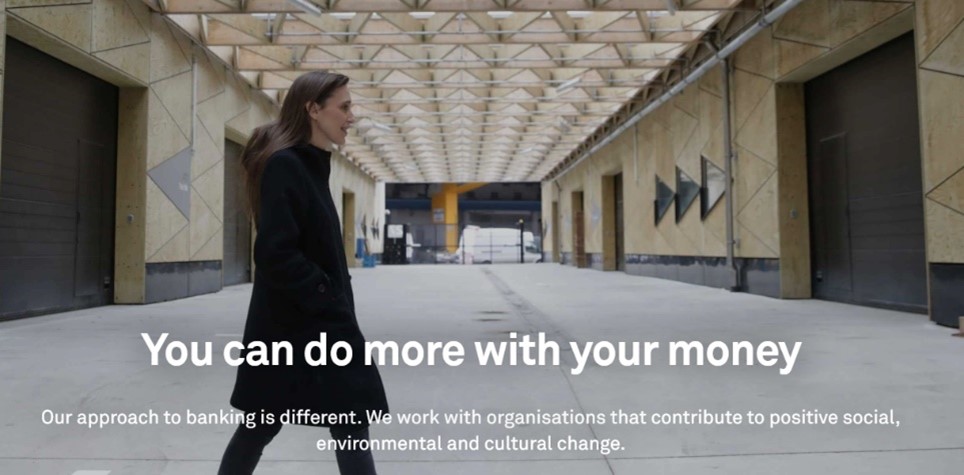
Take Triodos Bank, for example, a pioneer in ethical banking with a clear mission to provide finance only to enterprises that focus on people, the environment or culture. The bank aims to make money work for positive change, leading the way and inspiring other brands to contribute to social, environmental and cultural change.
2. Rethink & Thrive
Having witnessed the failure of long-trusted systems, there is a growing demand for alternative forms of organisation. Brands can help redefine the rules and create environments that enhance access and opportunity for everyone.
Substack, for instance, connects writers and content creators directly to their audience through a subscription network. It rejects existing media models in which content writers are often underpaid or required to work for free to gain visibility. People can directly support their favourite creators, providing them with greater creative control over their work.
3. Empowered minds
Not everyone is in a position where their voices are heard but change often lies in these marginalised perspectives. Brands have a role to enable and empower these everyday people by giving them a platform to install the change they want to see.
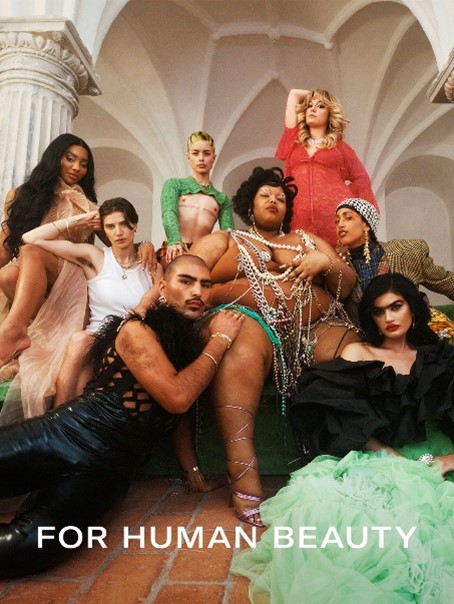
In its ‘For Human Beauty’ campaign Estrid Razors celebrates individual expression in beauty, irrespective of gender, race, religion, sexual orientation or any other label. The brand partnered with iconic diversity champions who tell their own beauty story through their body hair choices and beyond.
4. Surgical solutions
To contribute to a better tomorrow, people want to understand which actions they can take to have a clear impact. People don’t want to do more; we want to do less, creating impact with very precise and focused actions. There’s a role for brands to inspire and educate people on such targeted actions, thinking about how existing resources and systems can unlock change in the most effective way.
In October 2023, the EU implemented a glitter ban, marking an important step in the European Commission’s efforts to combat microplastics. The aim is to reduce this form of pollution with 30% by 2030. While biodegradable glitter, such as Bioglitter, has been around since 2016 higher costs hindered its adoption in the past. Expectations are that this eco-friendly alternative will gain popularity in the future. Clothing brand Guess already launched its first collection of T-shirts and sweatshirts printed with Bioglitter – a small, but targeted and therefore impactful change.
Together, these four dimensions for positive change offer a roadmap to a more regenerative and impactful future. Our 2024 What Matters report zooms in on how each of these dimensions are emerging through eight transformation codes.


FAQs
What is a regenerative future?
A regenerative future goes beyond simply reducing harm or maintaining the status quo. It focuses on creating positive environmental, social and cultural change by rethinking existing systems, empowering people and developing new solutions that allow society and the planet to thrive. For brands, this means moving beyond incremental sustainability towards a more transformative approach to the future.
What is the difference between sustainability and regeneration?
Sustainability traditionally focuses on reducing negative impact and ensuring resources and systems can endure over time. Regeneration takes a more proactive approach: rather than simply doing less harm, it asks how organisations can actively restore, renew and improve the systems they are part of. A regenerative mindset therefore looks for opportunities to create positive environmental, social and cultural impact.
How can brands contribute to a regenerative future?
Brands can contribute by challenging established assumptions, listening to diverse perspectives and using their influence to create positive change. The four dimensions outlined by Human8 provide different routes for action: developing courageous visions of the future, rethinking systems and access, empowering people and communities, and applying targeted solutions to specific challenges.
Why is cultural change important for a regenerative future?
Environmental and social challenges are also cultural challenges because they are shaped by the beliefs, behaviours, expectations and systems that influence how people live. Understanding cultural change helps brands identify emerging needs and tensions, recognise new possibilities and develop responses that are relevant to the people and communities they seek to engage.
What role can consumers play in creating a regenerative future?
Consumers are not simply passive recipients of change. Their behaviours, expectations and cultural movements can influence the direction brands and organisations take. A regenerative future creates opportunities for people to have greater agency, participate in positive change and help shape more inclusive and sustainable systems.