Blog
Beauty in the eye of the beholder: the 2025 trends we’re seeing shape the industry
The beauty industry is another area we are seeing trends outlined in our What Matters 2025 trend report being adopted by brands and consumers alike.

Delphine Vantomme
25 March 2025
6 min read
What are the key beauty trends shaping the industry in 2025? Three consumer trends are reshaping beauty in 2025: Silver Renaissance, which reflects a growing celebration of ageing and vitality; Embracing Boredom, which highlights the value of slowing down, simplicity and mindful beauty rituals; and Grounded Globalisation, which sees consumers reconnecting with local identity, cultural heritage and traditional beauty practices. Together, these trends show how beauty is moving beyond products and aesthetics towards individuality, wellbeing, authenticity and meaningful cultural connection.
Once more the beauty industry stands at the brink of a remarkable transformation, reshaping beauty standards and the role of beauty brands. Starting from our What Matters 2025 trend report, this blog post delves into three trends that we believe will define beauty in the years to come: Silver Renaissance, Embracing Boredom, and Grounded Globalisation. Each trend reflects a deeper understanding of consumer desires, emphasising vitality, mindfulness, and authenticity. Join us as we explore these compelling shifts that promise to inspire beauty brands and consumers alike.
Silver renaissance: a celebration of timeless beauty
In a culture that previously could be regarded as youth obsessed, we are seeing an openness and excitement towards aging. A remarkable 71% of people interviewed for our report acknowledged believing that aging opens doors to self-discovery. Older adults are discovering new hobbies and passions, from surfing to social media stardom. Baby boomers in particular feel that getting older is an invitation to explore fresh experiences, but this is a sentiment that is prevalent across multiple age groups, with 66% of Gen Z also feeling positive about aging.
Brands can support this curiosity and excitement about getting older by using spokespeople of all age groups and targeting concerns that aging populations might have. A very clear example of embracing different age groups is that of Wang Deshun, an 88-year-old model who recently walked Shanghai Fashion Week. As a fitness and health enthusiast, Wang casts a different light on what getting older means, inspiring others to focus on the joy of knowing yourself better and defying the perceived physical decline that many associate with aging.

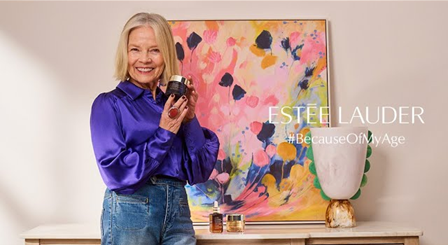
Estee Lauder’s #BecauseofMyAge campaign also embraces a pro-aging message by highlighting media personalities who embody confidence as they age, reinforcing the beauty found in a life well-lived. From actress Jo Good explaining how her age makes her more relevant than ever before, to author Cat Deeley discussing how she is speeding up instead of slowing down, the campaign promotes a positive experience of getting older.
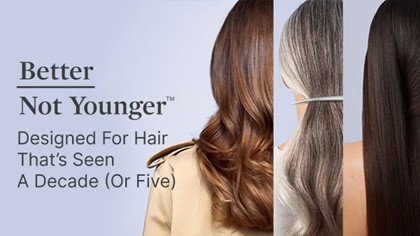
US haircare brand Better not Younger, founded by Sonsoles Gonzalez, aims to prioritise vitality over youth. Sonsoles found that when she turned 40, there were very few haircare products that targeted and actually worked for her age group, and thus Better not Younger was born! The brand focuses on addressing the specific needs of aging hair, rather than trying to keep hair youthful. This allows consumers to embrace how they look and take care of themselves at any age, rather than trying to always be younger.
Embracing Boredom: the beauty of stillness
This trend focuses on seeing moments of boredom as opportunities for personal growth and self-reflection, rather than unproductiveness or laziness. As we move away from the relentless pursuit of being busy and valuing ourselves based on our productivity, more and more of us are intentionally pausing to reconnect with ourselves. Our What Matters 2025 report highlighted that 81% of people value these moments of slowing down – in particular, Gen X and Baby boomers who prioritise calmness amidst the chaos of modern life.
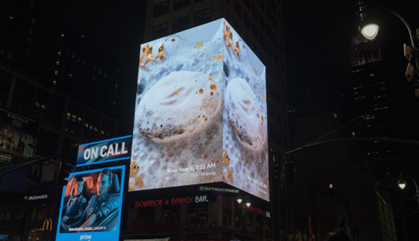
Beauty brands are taking note of this movement towards simplicity, with Dove’s ‘Unready for Anything’ campaign focusing on their Beauty Bar as part of the ‘post-party’ ritual – returning to simplicity and stillness at the end of the day. Nightly cleansing rituals are an essential part of self-care and a moment of calmness we can all appreciate.
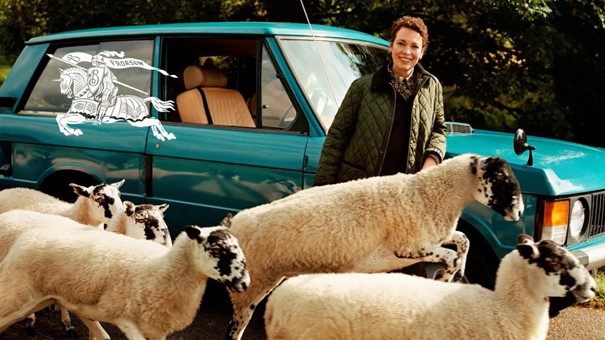
Burberry’s Autumnal campaign also emphasises the beauty of simplicity. Celebrities including Olivia Coleman and Cole Palmer are shown in moments and activities that are normally regarded as peaceful or mundane like catching fish or counting sheep. Promoting ‘embracing boredom’ and mindful engagement with the small tasks allows beauty brands to resonate with consumers in search of enriching their daily experience, rather than focusing on relentless activity.
Grounded globalisation: back to our roots
73% of consumers have expressed a desire to honour their local roots, highlighting the importance of identity in today’s evolving world. With globalisation enhancing our interconnectedness, it’s important that we still tap into local cultures in an authentic way. It’s no longer just Western beauty trends and standards of efficacy leading the charge, the paradigm is changing. More and more people from multiple cultures take pride in their local identity, tradition and heritage, reinventing traditional aesthetics for a contemporary audience.
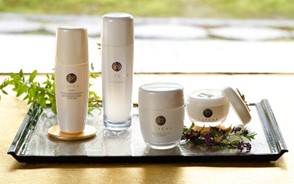
Brands like Tatcha are great examples of this trend. Tatcha are committed to traditional Japanese beauty rituals, as well as utilising natural ingredients such as green tea and rice which are central to Japanese beauty culture.
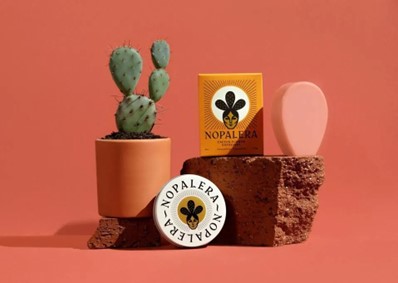
The Latin beauty brand Nopalera is another example of a brand paying homage to a cultural tradition, recognising Latin consumers seek alternatives to their grandmother’s Pond cream. Prickly pear cactus has often been a key ingredient in Mexican beauty rituals, so Nopalera have created a range with this at the centre. The packaging and branding also features a unique image of a woman with her hair in the shape of the plant to pay tribute even more. Nopalera is about more than just beauty – it’s about respecting the roots of the founders and the community of people it services.
The implication for brands is clear: they must navigate the delicate balance of global and local identities by highlighting unique traditions and fostering community ties. Weaving local culture into their narratives in an authentic manner is key to landing with consumers in 2025.
As 2025 continues, the beauty industry must progress alongside its consumers. Today, beauty is no longer just about the products, but about helping consumers find fulfilment and build meaningful connections for an enriched life. This by fostering deeper relationships with their customers, inspiring them to embrace their individuality, finding the moments of quiet and celebrating their culture.
FAQs
1. What are the biggest beauty trends shaping the industry in 2025?
Three key trends shaping the beauty industry in 2025 are Silver Renaissance, Embracing Boredom and Grounded Globalisation. Together, they reflect changing consumer priorities around ageing, wellbeing, simplicity, cultural identity and authenticity.
2. What is the Silver Renaissance trend in beauty?
Silver Renaissance is the growing acceptance and celebration of ageing in beauty. Rather than focusing solely on looking younger, consumers are increasingly embracing vitality, self-discovery and confidence at every age. For beauty brands, this creates opportunities to represent different generations and develop products that address the specific needs of ageing consumers.
3. Why are beauty consumers embracing slower, simpler routines?
Consumers are increasingly valuing moments of calm, stillness and self-care as an alternative to the pressure of constant productivity. This trend, described as Embracing Boredom, is influencing beauty through simpler rituals and products that turn everyday routines into moments of relaxation and mindfulness.
4. What is Grounded Globalisation and how is it changing beauty?
Grounded Globalisation describes the growing desire for beauty brands to celebrate local cultures, traditions and heritage while operating in an interconnected global market. Consumers are showing greater pride in their local identities, creating opportunities for brands to draw on traditional ingredients, rituals and aesthetics in ways that are authentic and culturally respectful.
5. How are consumer attitudes towards ageing changing the beauty industry?
Attitudes towards ageing are becoming more positive, with consumers increasingly viewing getting older as an opportunity for self-discovery rather than something to hide. This is encouraging beauty brands to move beyond youth-focused messaging and represent older consumers more authentically, while developing products around vitality and the changing needs of different age groups.
6. How can beauty brands respond to changing consumer expectations in 2025?
Beauty brands can respond by focusing on individuality, wellbeing, cultural authenticity and meaningful consumer connections. This means representing a wider range of ages, creating products and rituals that support moments of calm, and drawing on local traditions and cultural identities in an authentic way.