BLOG
The pursuit of well-being: what China’s Gen Z wanted in 2023
A ten-day online community with 20 youngsters revealed key opportunities for finance brands in the health and well-being space.

Scott Lee
29 June 2023
5 min read
Research with young people in China reveals a more holistic approach to well-being, highlighting how finance brands can support their customers through health, personal enrichment, food and meaningful connections.
One of the most resonant trends in our What Matters 2023 report was ‘Interconnected Well-being’; our growing awareness of how different factors interconnect and impact our well-being.
But what did this mean in practice? How were young people thinking differently about health and well-being? And what opportunities did this create for financial brands?
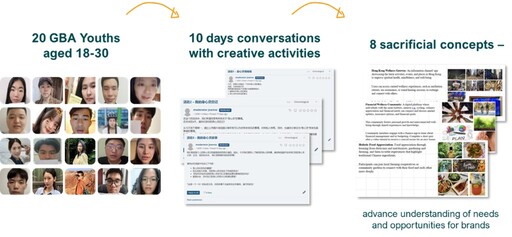
We explored these questions through a ten-day online insight community with 20 young people from the Greater Bay Area in China, as part of our Human Finance event in Hong Kong.
How was China’s Gen Z rethinking well-being?
Financial services were increasingly exploring opportunities around health and well-being. HSBC Hong Kong had launched a health and wellness app with personalised lifestyle recommendations, Bupa Hong Kong offered wellness classes and health tips through its Bupa4Life app, and Hang Seng had introduced Olive, a health and wellness platform.
With more people travelling between Mainland China and Hong Kong, banks and insurers were also exploring how they could help customers access high-quality healthcare and well-being services.
We wanted to understand what well-being actually meant to younger people in China – and what role financial brands could play.
Using creatively designed activities, our online research community helped us get below the surface of their experiences, needs and aspirations.
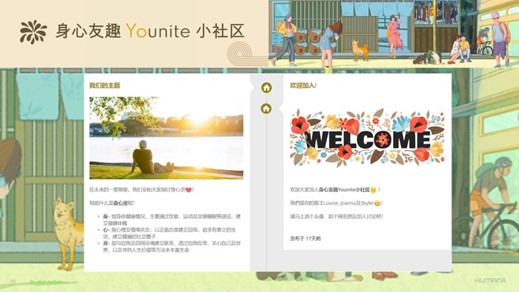
Participants took part in activities including:
- Collage: sharing images that represented how they felt about well-being
- Four-day diary: capturing real-time moments that brought them joy or challenged their well-being
- A letter to their younger self: reflecting on what they wished they had known earlier in life
Our consultants then combined these rich qualitative insights with support from our AI-powered research assistant, which helped identify key themes across the community activities. These themes informed eight sacrificial concepts to test. Such early-stage concepts help us to probe further on emerging needs, rather than being intended solutions yet.
Five shifts shaping well-being for China’s Gen Z
The findings revealed a shift away from traditional ideas of health and success. Young people were looking for more balance, personal fulfilment and meaningful connections.
At the time, conversations around ‘lying flat’ and the ‘45-Degree Life’ captured a growing desire to step away from the intense ‘996’ work culture and prioritise wellness and balance.
Our research revealed five shifts that brought this changing mindset to life.
From fast to slow
The first shift was a change in pace.
Rather than focusing on energetic fitness regimes, people were increasingly interested in slowing down, finding peace and getting better-quality sleep.
One concept that resonated with community members was a sleep wellness community where people could share tips, experiences and support each other in achieving better rest.
From working hard on health to finding everyday joy
People were becoming less demanding of themselves. Instead of treating health as something they had to work hard at, they were looking for joy and contentment in the simple things in life.
As one participant put it:
“I have learned to think more about myself, make arrangements for myself, do more things to make myself happier, follow my heart.”
This points to a broader understanding of well-being – one that includes emotional and personal fulfilment alongside physical health.
From high expectations to personal enrichment
Being less demanding of themselves didn’t mean standing still. Many participants still wanted to learn, grow and experience new things, whether that meant connecting with different cultures or taking up a new hobby.
The difference was that personal growth was increasingly happening on their own terms.
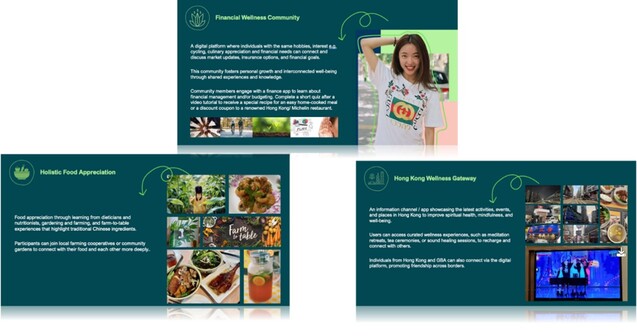
One concept that resonated was a Financial Wellness Community, where people with shared interests could connect and discuss topics such as financial goals, insurance options and market updates.
This highlighted an opportunity for financial brands to connect financial wellbeing with the wider interests, ambitions and communities that shape people’s lives.
From diets to a more mindful relationship with food
Food has always played an important role in Chinese culture, and our community members described a growing interest in where their food came from and how it was made.
They were interested in understanding nutritional value and learning to cook with fresh, unprocessed and organic ingredients.
A concept built around farm-to-table experiences resonated with participants:
“Understand and take part in the overall process of turning ingredients into a dish; also, I can cook with others and exchange cooking tips, may even invent new dishes together as well.”
The opportunity here went beyond nutrition. Food became a source of learning, creativity, connection and enjoyment.
From popularity to deeper connections
Above all, social connection stood out as an important part of well-being.
Participants talked about heart-to-heart conversations, nurturing friendships around shared interests and building more meaningful networks. For some, companionship came from pets. Others wanted to meet like-minded people when visiting Hong Kong.
The Hong Kong Wellness Gateway concept tapped into this need. The proposed information channel would showcase activities, events and places in Hong Kong related to spiritual health, mindfulness and well-being.
As one participant explained:
“While Hong Kong and Shenzhen is just next to each other, our understanding about Hong Kong is shallow – we only know about where to go shopping. I want to get to connect with like-minded HK people and make friends with them.”
What did this mean for financial brands?
The research showed that well-being was becoming broader than traditional ideas of physical health. For China’s Gen Z, it could encompass sleep, food, personal growth, financial wellbeing and social connection.
This created opportunities for financial brands to:
- Connect financial services with broader ideas of well-being
- Help people achieve personal goals, not just financial ones
- Build communities around shared interests and aspirations
- Create experiences that encourage meaningful connections
- Make financial wellbeing feel more relevant to everyday life
Ultimately, some of the concepts that resonated most strongly showed how financial brands could contribute to well-being through shared interests, friendship and even a love of food.
Bringing the insights to life
The research didn’t end with the online community.
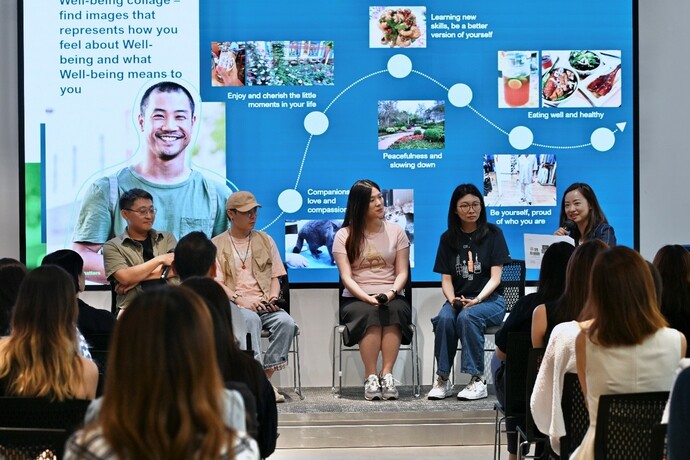
Four of the 20 community members joined our Human Finance event in Hong Kong, bringing their perspectives to the stage and sharing their experiences directly with financial brands.
This created a powerful connection between research participants, consultants and industry leaders – turning consumer insights into a shared conversation about the future of financial services.
A new chapter for well-being
Our research with young people in China showed that well-being was becoming less about achieving a perfect state of health and more about creating a life that feels balanced, meaningful and connected.
For financial brands, this opened up a broader role: helping people create the conditions for a good life, rather than simply helping them manage their money.
Understanding these evolving needs starts with getting closer to the people behind the trends. Online insight communities give brands a way to listen, explore and co-create with people as their needs evolve.
FAQs
1. What are the financial priorities of China’s Gen Z?
Our 2023 research focused primarily on well-being rather than specific financial behaviours. It found that financial wellbeing was increasingly connected to broader goals such as personal enrichment, shared interests, social connection and a balanced lifestyle.
2. What does financial wellbeing mean to Gen Z in China?
For the young people in our research, financial wellbeing was part of a broader understanding of a good life. It connected with personal goals, hobbies, learning, relationships and the freedom to pursue experiences that brought fulfilment.
3. What drives Gen Z’s spending habits?
Our research did not specifically measure spending habits. However, participants showed an interest in experiences and activities that supported personal wellbeing, learning, connection and enjoyment.
4. How can financial brands connect with Gen Z in China?
Financial brands can look beyond traditional financial products and connect with the broader interests and aspirations shaping young people’s lives. Communities, shared experiences and financial wellbeing initiatives can create more meaningful connections.
5. How can online insight communities help financial brands understand Gen Z?
Online insight communities give brands an opportunity to explore people’s experiences, needs and motivations through discussions, creative activities, diaries and concept testing. They can provide a richer understanding of emerging behaviours and opportunities than relying on transactional data alone.