Human spark: how community turns insight into meaning
In a world shaped by AI and optimisation, understanding social dynamics within communities is what turns data into meaning and insight into impact.

Tom De Ruyck
24 April 2026
5 min read
AI is accelerating marketing at scale, but it’s also creating sameness. This blog explores how communities offer brands a competitive edge by revealing the social dynamics, shared values and cultural context that shapes real human behaviour. It also shows why understanding belonging, not just data, is key to creating meaning, resonance and marketing that truly stands out.
From broadcasting to belonging
In our first blog Igniting the human spark, we made a clear point: in an AI-shaped world, human understanding is the competitive edge. Think of AI as the world’s fastest sous chef. It processes data, highlights patterns and accelerates outputs. But humans are the head chefs, giving insight soul, context and meaning.
Brands today are surrounded by scale, speed and standardisation. Everything is faster, more optimised and increasingly looks the same. For marketers, that creates a clear challenge: how do you stand out when everything is designed to blend in?
Communities offer a counterbalance, creating space for people to express themselves more naturally and openly, as part of a shared conversation rather than in isolation. They are spaces of social belonging, where identity is shaped, reinforced and understood through others. In doing so, they reveal the context surrounding behaviour, including the influences, pressures and cultural signals that shape decisions.
This is especially important in a world where behaviours are increasingly influenced by others. People don’t make choices in isolation, they are shaped by the communities they are part of – shared values, norms and expectations.
It’s within this interplay of individual perspective and social dynamics that richer human insight emerges. For CMIs, the focus shifts from capturing individual opinions to understanding how those opinions are shaped, challenges and validated between people.
Understanding those dynamics allows brands to move beyond surface-level insights and uncover something far more powerful: meaning. And meaning is what drives action.
Unlocking deeper human insight
Communities built around shared interests and perspectives are especially powerful for unlocking deeper human insight. They create space for social dynamics to unfold, where people don’t just share opinions, but react, build and challenge each other. That sense of belonging is hard to replicate and it’s what makes tapping into communities so powerful in uncovering what really drives people.
Brands that understand this don’t just gather insight; they tap into the dynamics that shape behaviour. And that’s where the real shift is happening. Insight alone isn’t the differentiator anymore. Understanding how people influence each other is.
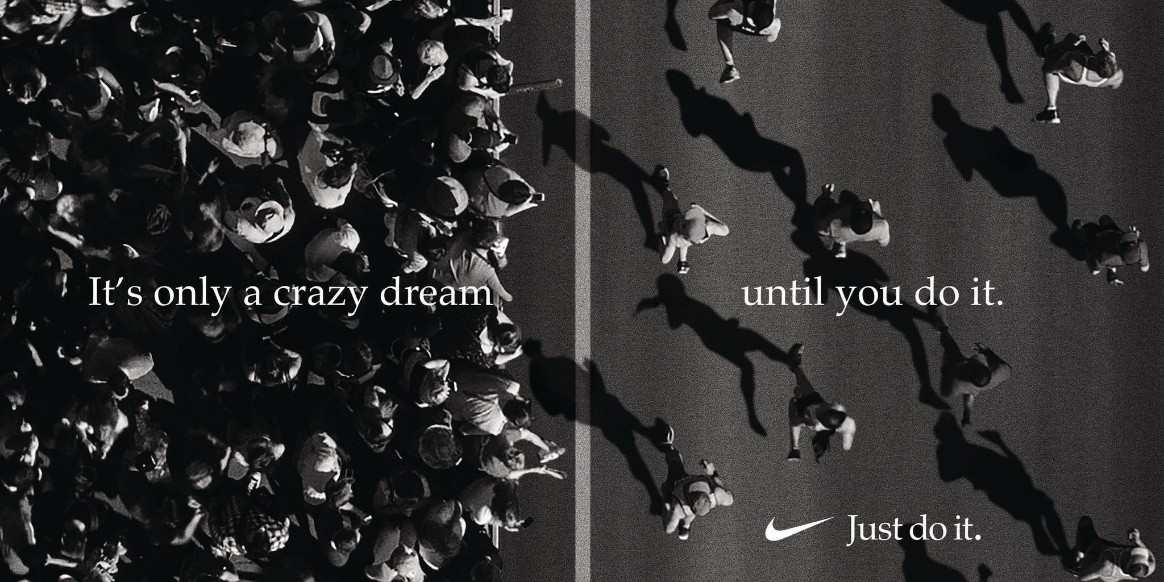
Take Nike. Its growth has come from more than performance or product, it’s built on a deep understanding of the communities it shows up in, from grassroots sport to global street culture. Nike recognises that within these spaces, identity, ambition and belonging are constantly being shaped through shared stories and social signals.
Campaigns like Nike Dream Crazy worked because they didn’t introduce a new narrative, they amplified one that already existed within these communities. The campaign featured athletes who had pushed beyond limits and spoken out about inequality, with former NFL player Colin Kaepernick as a central figure. It centred on the idea of believing in something, even if it means sacrificing everything. By doing so, it tapped into cultural tensions around equality, representation and perseverance, aligning Nike with the values people were already expressing and debating. For marketers, that’s the difference between creating a message and creating momentum.
The Dream Crazy campaign gave those conversations scale, turning individual belief into collective momentum. That’s the power of understanding and playing in social dynamics, not just what people think, but what they stand for together. The result was more than attention. It strengthened Nike’s cultural position, deepened emotional connection with its core communities and reinforced its role in conversations that matter to its audience.
Or look at LEGO. LEGO has built one of the most powerful community-led ecosystems of any brand by recognising creativity doesn’t sit with the brand alone, it lives within its fan communities. Through platforms like LEGO ideas, LEGO invites fans to submit, vote on and shape new product ideas. What makes this powerful isn’t just participation, it’s the social dynamic behind it: ideas gain traction through shared enthusiasm, validation and collective advocacy.
For insight teams, this is the golden egg: not just seeing what people like, but what people back, build and bring others into.
This means LEGO isn’t just listening to individual voices, it’s observing how ideas evolve within a community, which concepts resonate, how people build on each other’s thinking and what earns attention and support. For example, sets like the LEGO Ideas range, such as the LEGO Friends Central Perk or the LEGO NASA Apollo Saturn V, started as fan concepts that gained traction within communities before becoming official products. The result? Products that are already culturally relevant before they even launch and a community that feels genuine ownership over the brand.
These brands don’t treat people as isolated decision-makers. They understand that choices are shaped socially, through signals, validation and shared meaning. And they build strategies that work within those dynamics, not outside them.
This is where the real value lies. Nike and LEGO already show what happens when brands understand these dynamics in action: they don’t just observe communities, they build from them. It’s not just about hearing from passionate and engaged people; it’s about understanding the dynamics between them. That’s what reveals nuance, uncovers meaning and shows brands where they can genuinely play.
Being part of the conversation: what brands need to understand before they engage
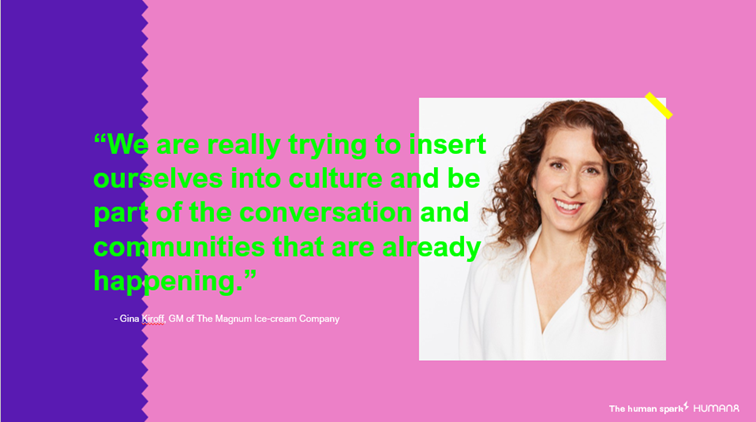
So, if brands like Nike and LEGO succeed by working with these dynamics, the question becomes: how do you actually step into them?
Communities are the source of human insight, belonging is what unlocks it. For brands, this isn’t about visibility, it’s about resonance. It’s about showing that you understand, reflect and contribute to what truly matters within a community.
Most brands get this wrong. You don’t enter a community and hope to be noticed. Nor do you build one from scratch and expect people to instantly care. The most powerful communities already exist around these shared passions, identities and conversations that brands don’t control.
And just showing up isn’t enough, you need to get it right. That requires a shift: from speaking to listening, from messaging to dialogue, from control to contribution.
For marketers, this is more than a shift in mindset, it’s a strategic one. Success depends on how well you read and respond to the dynamics already shaping your audience.
Brands need to understand the language, values and social dynamics of different communities before engaging and then participate in ways that add real value, whether through content, experiences or ideas. Co-creation is essential: invite people from different communities into the process, rather than simply targeting them at the end.
This is where the right kind of research matters. Not just asking questions but creating spaces where these dynamics can actually play out. Spaces where people interact, challenge and influence each other, so you can see not just what they think, but how those thoughts are shaped.
We build these environments through research communities designed to surface exactly these dynamics. This helps brands move beyond static insight and into something far more actionable: understanding how ideas, behaviours and meaning form in real time.
When done well, this approach transforms human insight into marketing impact. It leads to sharper positioning, more resonant creative and ideas that are already grounded in how people think, talk and influence each other before they ever reach the market.
The bottom line
At its core, community is about social dynamics. The push and pull of influence, belonging and shared values that shape behaviour in ways data alone can’t capture.
For marketers and insight teams understanding these dynamics isn’t optional; it’s essential.
Brands need to engage with these communities thoughtfully: observe interactions, listen to the language and norms that emerge and participate in ways that add value rather than simply interrupt. It’s only by seeing how people relate to one another that brands can uncover the nuance, tensions and motivations that drive real decisions.
Yet, community is only part of the wider human spark picture. To understand the broader forces shaping behaviour, brands also need to understand culture. It’s the lens through which they can see what’s shifting, what matters and where opportunities are emerging.
In the next blog, we’ll explore this next dimension of the human spark: culture. And how combining human insight with cultural understanding brings brands closer to finding the human spark, a step closer to having the full picture and the confidence to act on it.
FAQS
1. What three dimensions make up the human spark?
The three dimensions that make up the human spark are community, culture and consumer closeness. Together, they fuel creativity and connection in ways that resonate with real people.
2. Why is community important?
Community is where trust, cultural relevance and shared meaning live – things alone AI can’t create. Engaging with communities lets brands see both individual and social dynamics, revealing the nuance, tensions and motivations that drive real behaviour. This deeper understanding fuels stronger positioning, more resonant creative and authentic connections.
3. How do communities uncover insights that data can’t?
Data shows what people do; communities show why. In community settings, people interact, challenge each other and express themselves naturally. Observing these social dynamics uncovers the context behind decisions, the pressures and influences shaping behaviour and the shared values that drive action.
4. Can AI replace human insight in communities?
No. AI can accelerate research, identify patterns and surface data quickly, but humans provide the context, meaning and soul behind insights.
5. How can understanding communities shape marketing strategy?
Insights from communities inform positioning, creative and engagement strategies. By observing how people relate to one another, brands can uncover nuanced motivations, surface cultural trends and identify opportunities for relevance – ultimately turning human insight into measurable marketing impacts.
6. What’s next in this blog series?
Next, we’ll explore culture, the second dimension of the human spark and how it helps brands read trends and what’s shifting in society. The series will then cover consumer closeness. Together with community, these three elements give brands the full picture and the confidence to act in an AI-driven world and re-find the human spark.
Get in touch
Let’s connect!