From finish lines to progress posts: the achievement zone trend
Discover why achievement today is less about winning and more about visibly showing effort and what this means for brands.
Sarah Van Oerle
26 February 2026
7 min read
Achievement is shifting from outcomes to effort. “The achievement zone” trend highlights why progress, resilience and daily effort matter more than ever in uncertain times. Brands that celebrate the journey and not just the win resonate with people across generations and cultures.
For a long time, achievement was easy to recognise. You won. You reached the milestone. You crossed the finish line. The work that led up to it often stayed in the background, quietly assumed rather than openly acknowledged.
Today, that logic is shifting, across cultures and generations, people are redefining what achievement looks like and it’s no longer only about the outcome. Pride now comes from the effort behind it: the discipline, resilience and work it takes to keep going, even when results aren’t guaranteed.
This shift is at the core of what we call The achievement zone, one of the key trends identified in our What Matters 2026 trend report. It reflects a broader cultural change: when traditional markers of success feel harder to reach or sustain, effort becomes something people can still own, control and be recognised for. Progress, routines and small breakthroughs are no longer side notes. They are the achievement.
So why has achievement shifted from winning to showing the work? And what does this change mean for brands?
Why achievement today is about effort, not just winning
Achievement is being redefined because certainty has eroded.
For decades, success followed a relatively predictable script: work hard, hit the target, move forward. Outcomes were clear and effort was assumed to lead somewhere tangible. Today, that equation no longer holds – economic pressure, career instability and shifting expectations mean that effort does not always translate into visible wins, but the effort is still required.
In that context, effort itself becomes the source of value. Our research shows that 73% of people believe achievement today is not just about results, but about openly showing the effort and discipline it took to get there. When outcomes feel less controllable, people look for pride in what is within their reach: consistency, resilience and the willingness to keep showing up.
This also reflects a broader cultural correction. For years, success was framed as smooth and effortless, especially online, yet today, that gloss feels disconnected from real life. People increasingly want to see the process behind progress, because it makes achievement feel honest and earned. As one UK participant put it:
“Achievement is not necessarily just an end goal. It’s all the more meaningful if it wasn’t easy to get there.”
UK, female, 27
Social platforms amplify this shift by making effort visible. raining streaks, progress updates and posts announcing the first day of a new goal or challenge (often called “day one” posts) turn the journey into something shared rather than silent. Achievement becomes less about a single finish line and more about demonstrating momentum over time. Or, as one US participant explained:
“It’s not just about the finish line. It’s about the process. The road to get there is what’s inspiring.”
US, female, 46
In today’s achievement zone, success isn’t defined by a moment of winning alone. It’s defined by visible commitment and by the courage to show the work behind it.
And brands are starting to respond. South Africa’s Standard Bank, for instance, celebrates the grind behind achievement. Their 2025 campaign follows individuals, including Young Artist Award winner Zoë Modiga, as they push uphill toward their goals, highlighting that success comes from dedication, effort and persistence. By showing the struggle as part of the journey, the brand reinforces that real achievement is earned, not given.

How economic uncertainty is reshaping ideas of success
Rising living costs, job insecurity, housing pressure and geopolitical tension have made long-term outcomes harder to predict and harder to trust. For many people, “winning” no longer feels fully within their control. As a result, achievement is shifting away from bold end goals and toward what can be controlled: effort, discipline and resilience in the present.
In uncertain economies, success becomes more defensive than expansive. Staying afloat, adapting, learning new skills or simply keeping momentum can feel like real achievements. Progress is measured in sustainability rather than scale and not burning out matters as much as breaking through.
This context also makes visible effort more meaningful. When structural forces limit opportunity, celebrating only outcomes can feel unfair or tone-deaf. Effort, by contrast, acknowledges the reality people are navigating. It says: “I may not be ahead, but I’m still moving”.
LinkedIn shows this shift in action. By highlighting learning badges, skill milestones and micro‑achievements, the platform celebrates incremental progress and continuous capability building, rather than just promotions or job titles. Its 2025 algorithm changes have amplified posts that focus on authentic journeys, reflections and small wins, rather than surface-level success announcements. In a volatile job market, every step forward counts as an achievement. Sharing progress makes effort visible and meaningful, even if the final outcome is uncertain.
Economic uncertainty has also shortened time horizons, people are less likely to bet their sense of worth on distant milestones and more likely to find pride in daily practices: consistency, self-management, staying employable, staying mentally steady. In this climate, achievement isn’t about winning against others, it’s about holding your ground, adapting to change and proving to yourself and to others that you can endure.
Achievement through different lenses: generations and cultures
Across generations, the value placed on effort, discipline and perseverance is strikingly consistent. What changes is how comfortable people feel making that effort visible.
For older generations, achievement has traditionally been quieter. Baby boomers (71%) and Gen X (65%) are more inclined to keep successes private, quietly proud and modest, downplaying the work behind their wins (BB: 61%, X: 56%). Pride sat in personal satisfaction, stability earned over time and recognition from close circles rather than public platforms.
Younger generations approach this differently. Gen Z and Gen Y openly acknowledge the effort behind their accomplishments (Z: 58%, Y: 55%) and are more comfortable putting milestones on display (Z: 42%, Y: 42%). Progress posts, learning curves and “still working on it” moments are not seen as overexposure but as honesty. Visibility becomes a way to signal commitment, resilience and self-discipline. Especially when results are still pending.
Cultural context adds another layer. In some cultures, modesty remains central: effort is respected, but celebration is restrained. In others, open recognition and collective pride play a stronger role, with achievement marked through sharing, encouragement and public acknowledgement. In much of APAC, including the Philippines (72%), Australia (70%) and Singapore (65%), achievement is shared with modesty, leaning into quiet pride. The same holds in the US (70%), the UK (67%), Belgium (65%) and Germany (57%). In China, 60% report openly sharing achievements, reflecting a culture where success signals status and progress.
What’s really important is where these differences converge. Across cultures and generations, people agree on one thing: achievement is only meaningful when it’s earned. Visibility, then, is not about arrogance, it’s a form of contextual signalling. It says: this mattered to me, this took work, this didn’t come easy. Understanding that distinction is crucial, especially for brands operating across markets, audiences and cultural norms.
What this means for brands: celebrating the journey, not just the win
Winner-only stories that highlight the flawless success, the dramatic before-and-after or the overnight breakthrough increasingly feel out of touch. They ignore the reality people are living in, where effort doesn’t always lead to immediate rewards and where progress itself is something to be proud of.
Brands that want to stay relevant need to validate the journey, not just the outcome.
That starts with recognising progress: the small steps, the consistency, the discipline it takes to keep going. It means creating tools, rituals and experiences that acknowledge effort along the way, not just at the finish line. Think of features that track improvement, moments that mark milestones-in-progress, or communities that reward showing up, not just winning. Strava, for example, doesn’t just celebrate finishing a race. It highlights consistent participation, training streaks, personal bests and daily effort. Its leaderboards, badges and social features turn incremental progress into something visible and shared, reinforcing that the journey itself is worth recognising.
Celebrating effort, however, isn’t the same as glorifying exhaustion. The opportunity lies in supporting sustainable progress: resilience with care, ambition with balance.
Done well, brands can play a powerful role here. They can normalise growth as non-linear. They can make space for learning, setbacks and persistence. And they can help people feel seen, not only when they succeed, but while they’re still working towards it.
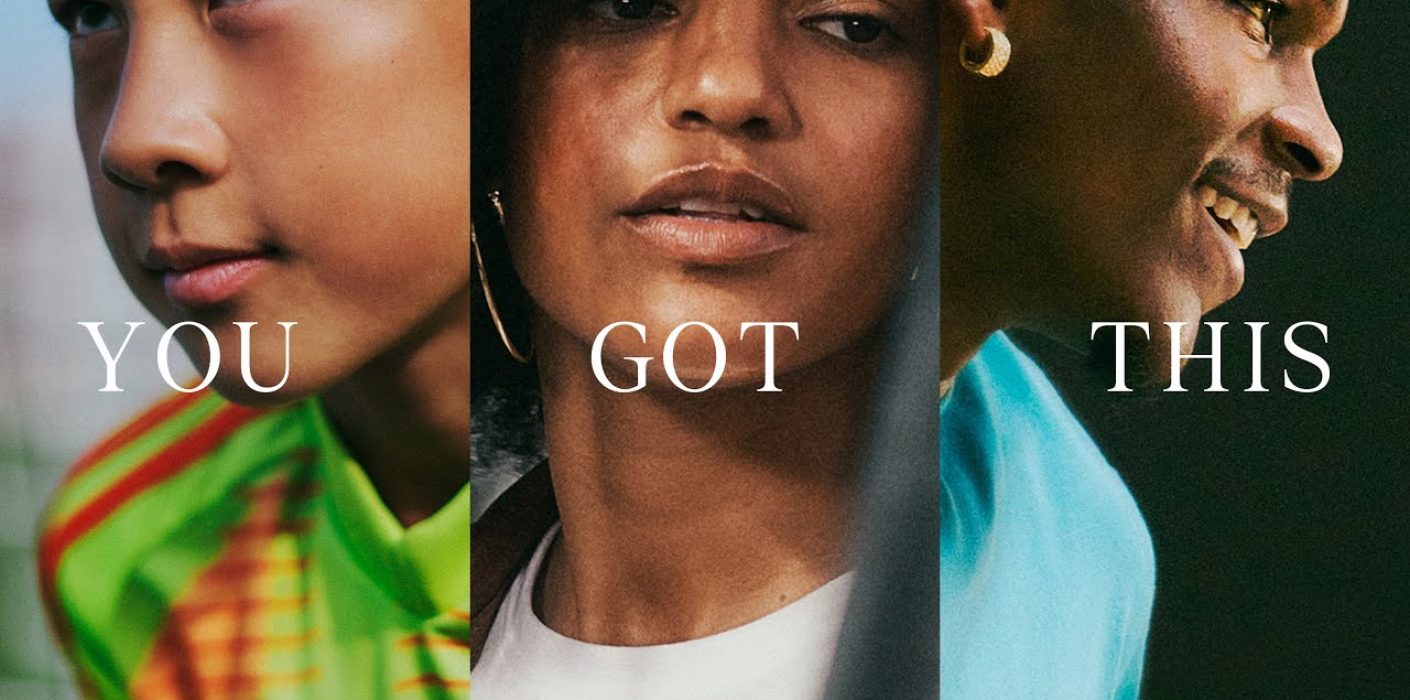
This is also what Adidas did in it’s “You got this” campaign. The sports brand shifts the spotlight from winning to the work behind progress, showing everyday athletes training, failing, rising and pushing forward. And it doesn’t just spotlight heroes at peak performance, it frames achievement as a collaborative climb, something that isn’t a solo act. It spotlights the coaches, friends, teammates and supporters who help keep you going.
In a world where certainty is rare and pressure is high, recognising effort isn’t a nice-to-have. It’s a way for brands to show they truly understand what achievement looks like now and what it takes to keep going.
* The numbers in this article are based on 15 markets: AU, BE, CN, DE, FR, HK, IN, NL, PH, SG, TW, UAE, UK, US, ZA
FAQ’s
1. What is The achievement zone trend?
The achievement zone is a key trend from Human8’s What Matters 2026 report. It describes a shift in how people define success: from focusing solely on outcomes to valuing effort, resilience and incremental progress.
2. How do economic pressures shape achievement?
In uncertain economies, long-term wins feel less controllable. People find pride in what they can control: effort, consistency, and adaptability.
3. How can brands respond to this trend?
Brands can celebrate progress, reward persistence, and create tools, rituals or communities that acknowledge effort, not just results.
4. Does this trend apply across generations and cultures?
Yes. While older generations may keep achievement private and younger generations may share it publicly, effort, discipline and persistence are universally valued.
5. How were the key consumer trends for 2026 identified?
The trends are based on Human8’s global research and insights from its in-house cultural consultancy, Space Doctors. The approach combines long-term cultural tracking with quantitative and qualitative research across multiple markets.
6. What are the other key consumer trends for 2026?
The other 2026 trends include Human pride, Hyper blanding, Health unscripted, Shouting economy, Future tradition, Retail fandom and Lightspeed living. Together, they reveal how people balance creativity, authenticity, community and speed in everyday life.


Report
Where can I find the What matters 2026 report?
Click the link below to access the What matters 2026 report