Shouting economy trend explained: why volume has become the currency of attention
As volume becomes the currency of attention, brands and people are going louder and bolder to cut through the noise. Welcome to the Shouting economy, one of the defining consumer trends of 2026.
Georgina Cundell-Jones
19 February 2026
5 min read
This blog explores the Shouting economy, the cultural and commercial trend where attention is a scarce resource and visibility has become a strategic imperative. We examine what drives this trend, how it shapes consumer expectations and how brands can stand out responsibly without sacrificing authenticity.
We scroll through hundreds of messages a day, bouncing between social platforms in seconds and consume content at relentless speeds. In just ten seconds, how many brands fight for your attention? How many demand a like, a click, a reaction? We live in an era where silence feels like invisibility. In crowded feeds and algorithm-driven platforms, attention is scarce and volume has become a survival strategy.
Welcome to the Shouting Economy, one of the defining consumer trends of 2026 in our What matters report. This isn’t just about louder ads or brighter packaging, it’s a cultural shift where amplification becomes the default response to overload. In a world saturated with content, brands and individuals alike feel compelled to be bolder, sharper and more extreme.
But when everyone raises their voice, what actually cuts through and how can brands stand out without losing substance?
Why is the Shouting Economy emerging?
Several forces are converging to drive the Shouting economy as content overload means that endless feeds and algorithm-driven platforms reward what triggers immediate reaction. At the same time, cultural fragmentation makes strong brand positioning more important than ever, helping companies anchor themselves amid divided social landscapes. Consumers are also increasingly using brands to signal their own identities, aligning with those that clearly express values and worldviews. Even the products themselves are part of this trend: from hyper-flavoured foods to striking packaging, sensory intensity has become a key way to capture attention and stand out.
In this climate, boldness is often perceived as a prerequisite for relevance. In fact, our What Matters 2026 trend report uncovered that 67% of people believe that only loud, bold voices get noticed today, while quieter messages are overlooked.
But the Shouting economy is not simply about volume, it’s about intentional visibility and consumers remain highly attuned to authenticity. They may reward boldness, but they quickly reject exaggeration without substance. True impact comes not from shouting the loudest, but from raising your voice in ways that add value, resonate with your audience and reinforce what your brand stands for.
So, who’s shouting smartly, rather than just loudly? Australian glue brand Selleys showcased the strength of their Liquid Nails by sticking everyday objects to their billboards and daring people to pull them off with the challenge titled “If you can take it, it’s yours.” Let’s watch below:

Not only does their campaign confidently demonstrate the quality of their product. Their playful and engaging approach also grabbed attention in a meaningful and fun way.
Similarly, beverage company Liquid Death leaned into its rebellious world with a stunt highlighting the infinite recyclability of its cans. They featured Ozzy Osbourne’s DNA as a playful way to show how even something iconic could be recycled repeatedly.
Absurd? Yes.
On-brand? Completely.
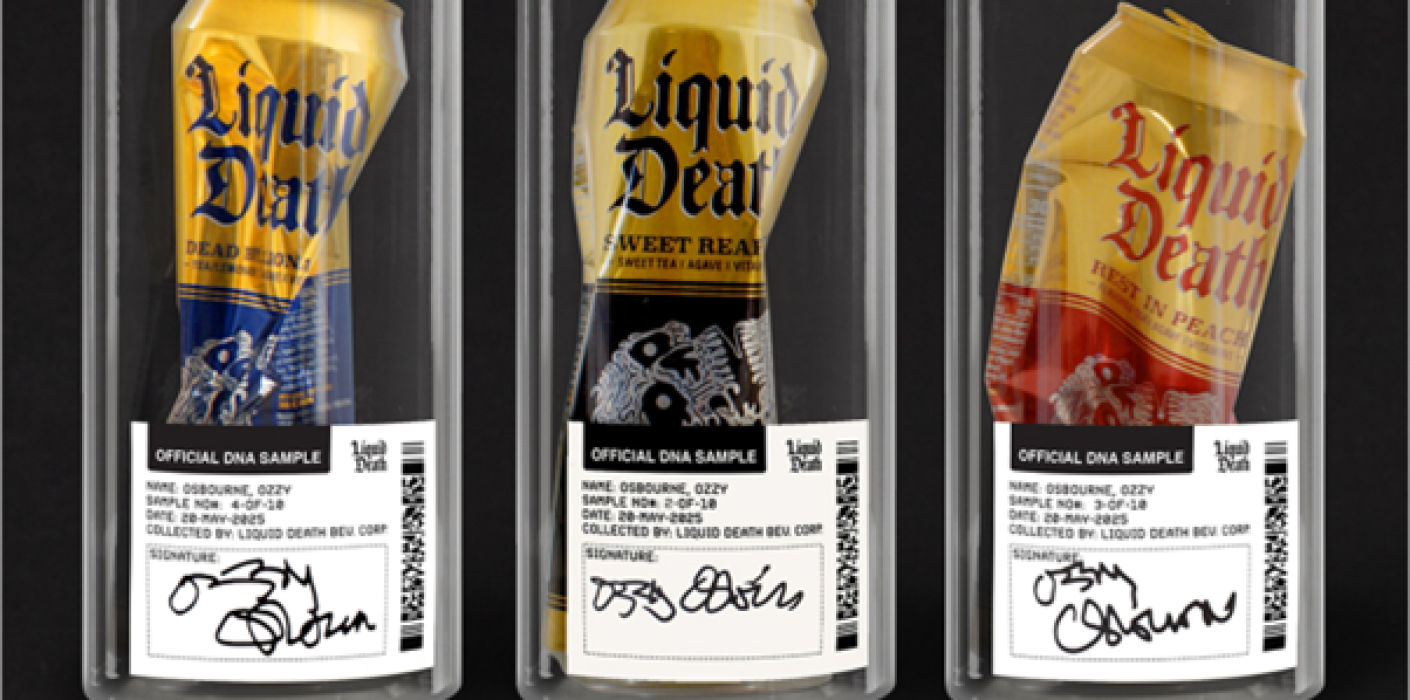
By amplifying its dark humour and anti-corporate tone, Liquid Death didn’t just shock. It reinforced a distinct identity its audience already recognises and celebrates.
In both cases, boldness works because it is purposeful and on brand. The shouting aligns with the brand’s identity and adds value for the targeted audience.
Decoding the Shouting economy across the globe
The Shouting economy is global, but its expression is local and across markets people balance bold, attention-grabbing communication and subtle, intentional expression. Cultural values, media landscapes and societal norms shape how this plays out.
In India and China, assertive storytelling resonates strongly and boldness is embraced:
- 62% of people surveyed in India favour bold communication over subtle styles. Rising nationalism and a growing sense of global influence have amplified assertiveness in public discourse.
- 52% in China support bold, expressive communication. National resurgence and a dynamic media landscape encourage visible success and vocal expression.
By contrast, in Belgium (63%), Germany (64%) and the Netherlands (66%) subtle communication is preferred. Calm, intentional messaging reflects societal values of restraint and balance. The strategic challenge for brands is not choosing between loud and quiet, but calibrating visibility to culture.
So, how can brands stand out without losing substance?
The Shouting economy reflects a deeper human need to be seen, heard and valued in a world overflowing with noise. Boldness is powerful. Provocation can connect. Distinctiveness drives visibility. But, without sincerity and substance, volume becomes empty noise.
For brands, the challenge is not to shout everywhere, but to raise their voice with intention:
- Communicate with purpose, not just volume: every attention-grabbing message should have a clear point of view and authentic voice. Provocation without meaning may drive short-term spikes but erodes trust long-term.
- Pair bold expression with proof: Bold ideas need backing, because boldness without substance quickly falls flat. Claims should be rooted in product truth, transparency and real value.
- Design products that stand out meaningfully: Striking packaging, hyper-flavoured innovation or sensory-rich experiences can attract attention, but they must reflect brand identity and meet genuine consumer needs.
- Create experiences that captivate and connect: Experiences, whether in the digital or physical realm should do more than entertain. They should deliver value, utility or emotional connection beyond spectacle.
- Adapt boldness to cultural context: In harmony-focused markets, boldness should be tempered with empathy and respect. In more assertive markets as we saw earlier in India and China where bold communication resonates strongly, brands can lean further into distinctive storytelling.
It’s not about shouting everywhere, it’s about knowing when, how and why to raise your voice.
* The numbers in this article are based on 15 markets: AU, BE, CN, DE, FR, HK, IN, NL, PH, SG, TW, UAE, UK, US, ZA
FAQs
1. What is the Shouting economy?
Shouting economy is a key trend from Human8’s What Matters 2026 report. As volume becomes the currency of attention, people and brands feel compelled to go louder and bolder to avoid fading into the noise.
2. Why does the Shouting economy matter for brands?
For brands, the Shouting economy means being bold with purpose: attention alone isn’t enough, loudness must be paired with authenticity, substance and meaningful connection. It’s about knowing when, how and why to raise your voice so boldness builds trust, relevance and lasting impact rather than just noise.
3. How does the Shouting economy differ across the globe?
The Shouting economy is global, but how boldness lands is local. Brands need to adapt their voice to cultural context, balancing attention-grabbing messaging with authenticity and purpose to make impact without alienating audiences.
4. How were the key consumer trends for 2026 identified?
The trends are based on Human8’s global research and insights from its in-house cultural consultancy, Space Doctors. The approach combines long-term cultural tracking with quantitative and qualitative research across multiple markets.
5. What are the other key consumer trends for 2026?
The other 2026 trends include Human pride, Hyper blanding, The achievement zone, Health unscripted, Future tradition, Retail fandom and Lightspeed living. Together, they reveal how people balance creativity, authenticity, community and speed in everyday life.


Report
Where can I find the What matters 2026 report?
Click the link below to access the What matters 2026 report